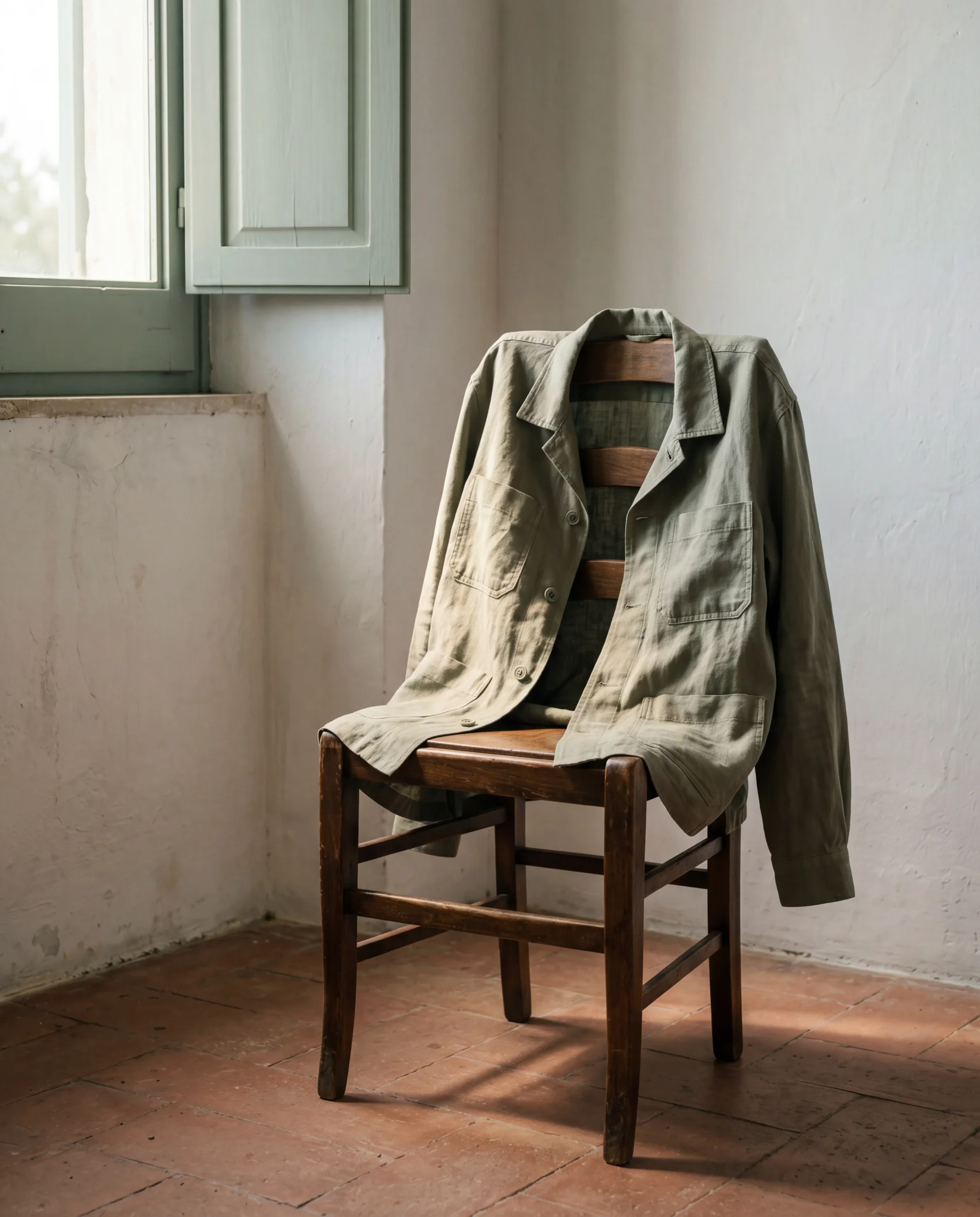
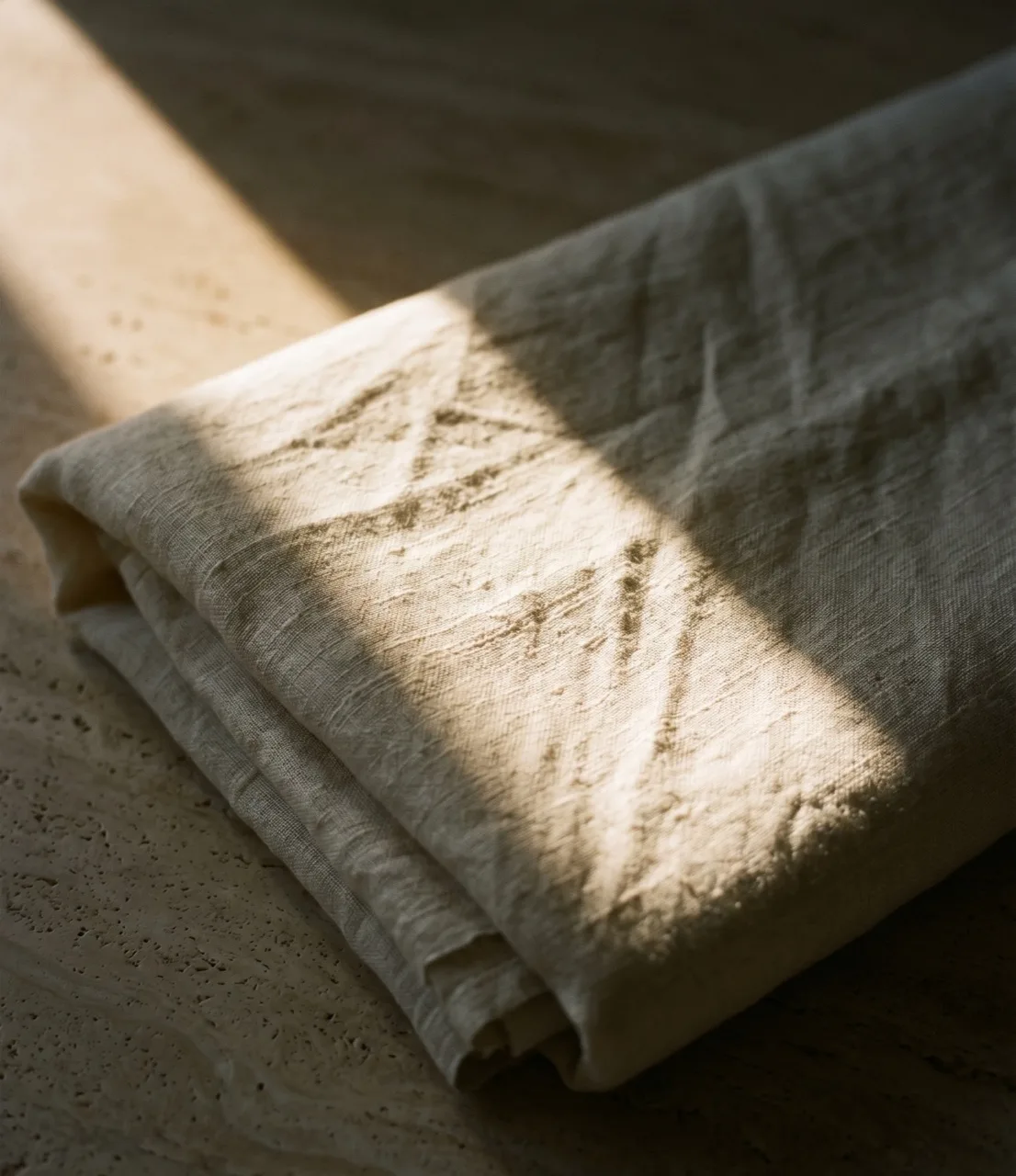
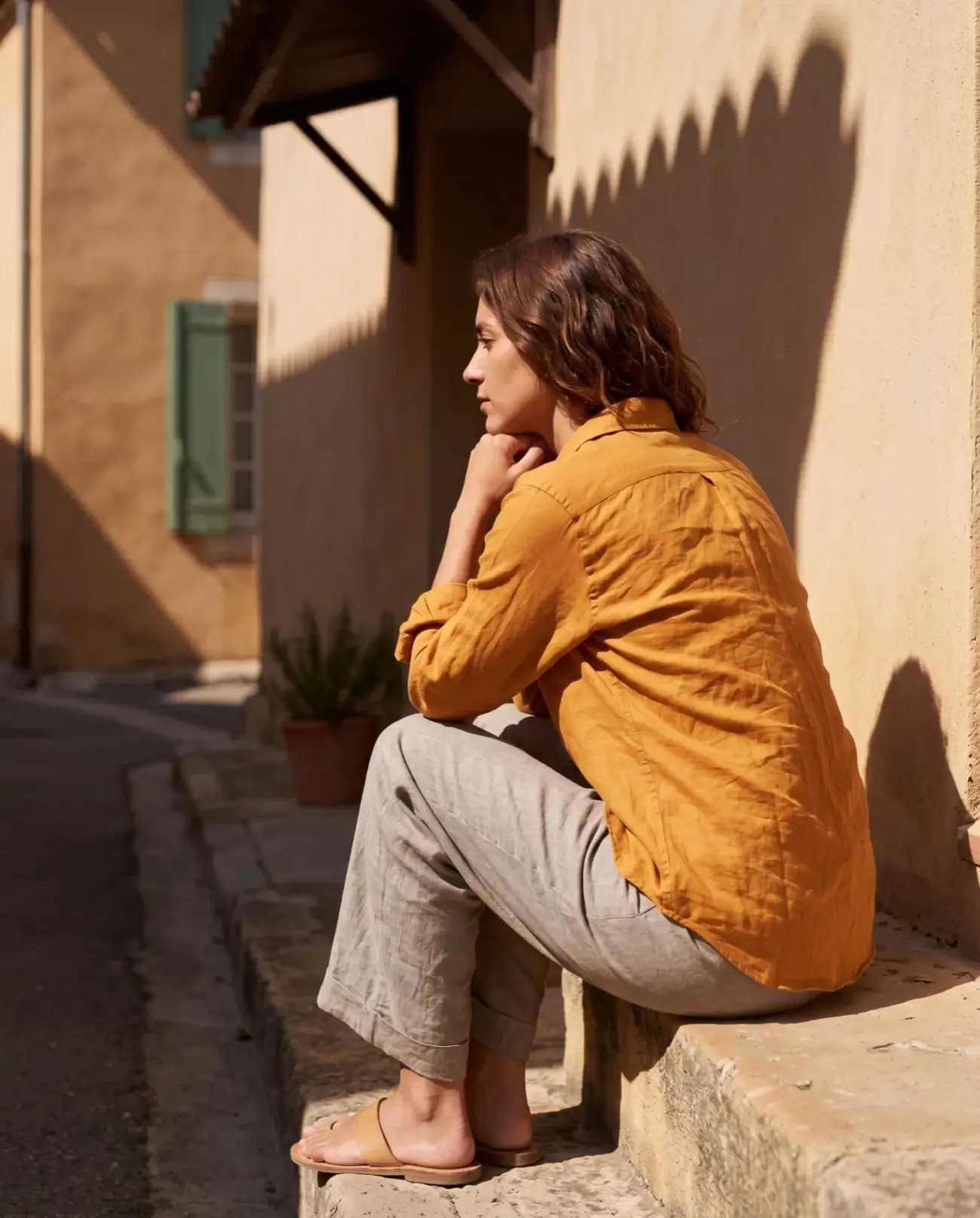
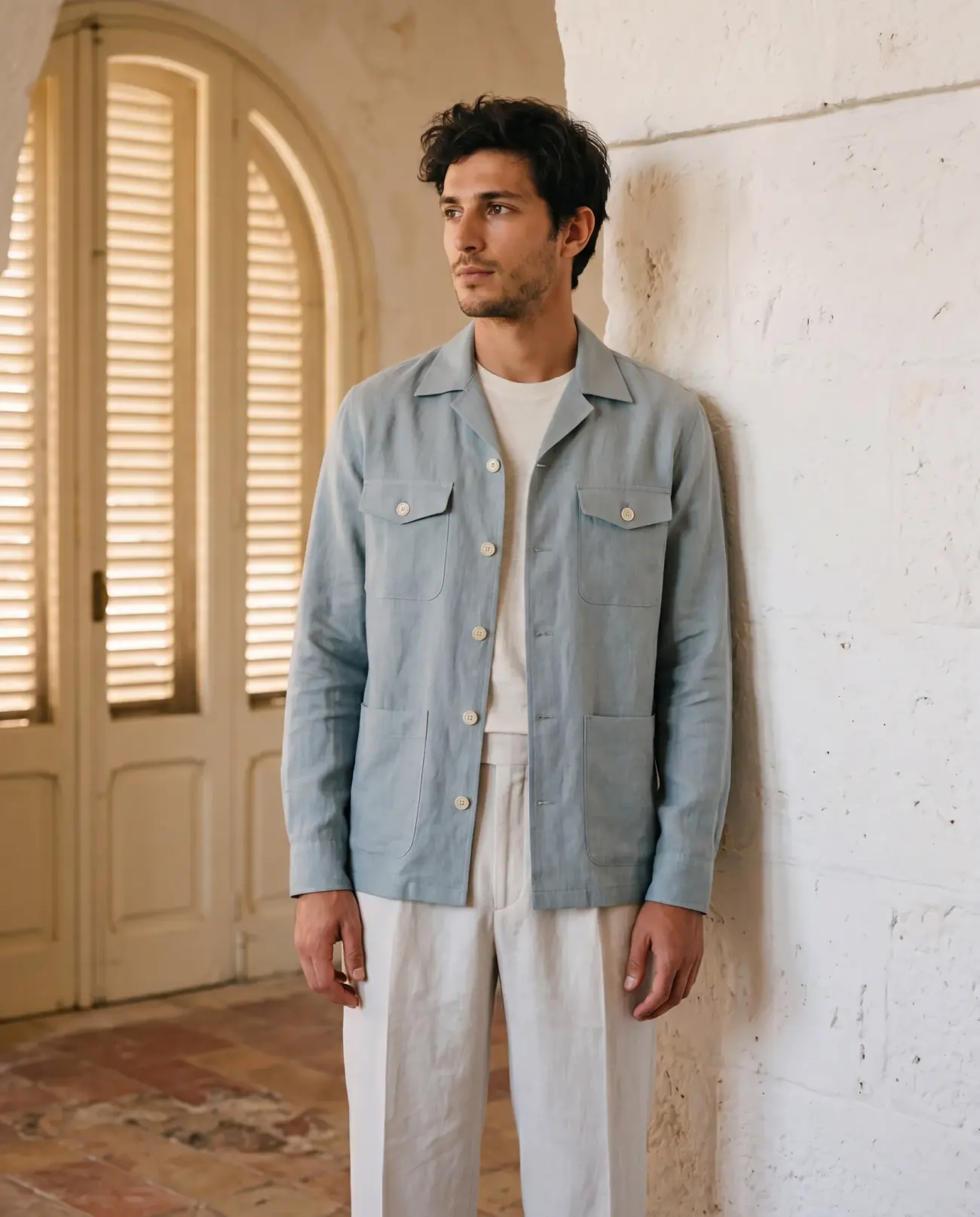
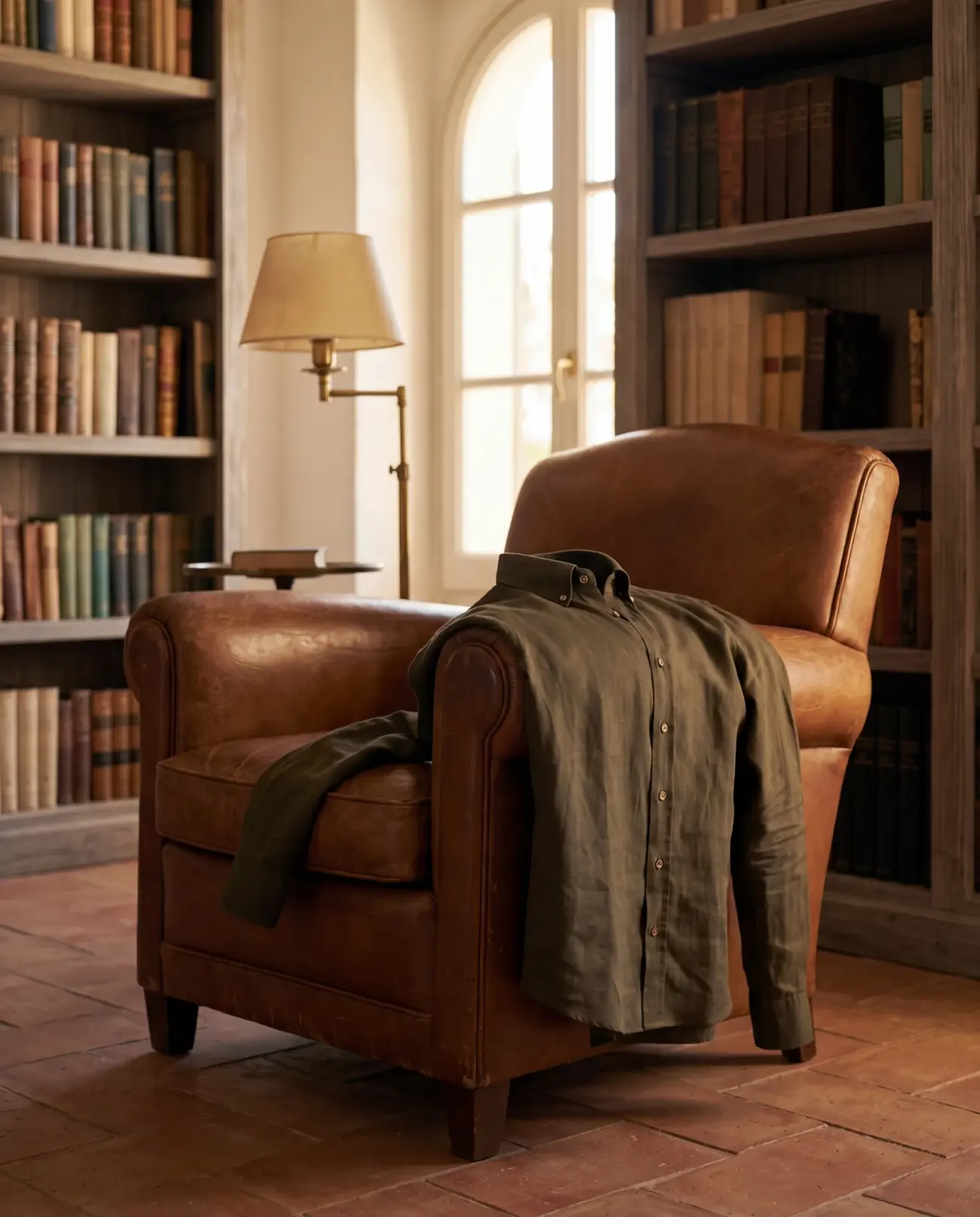
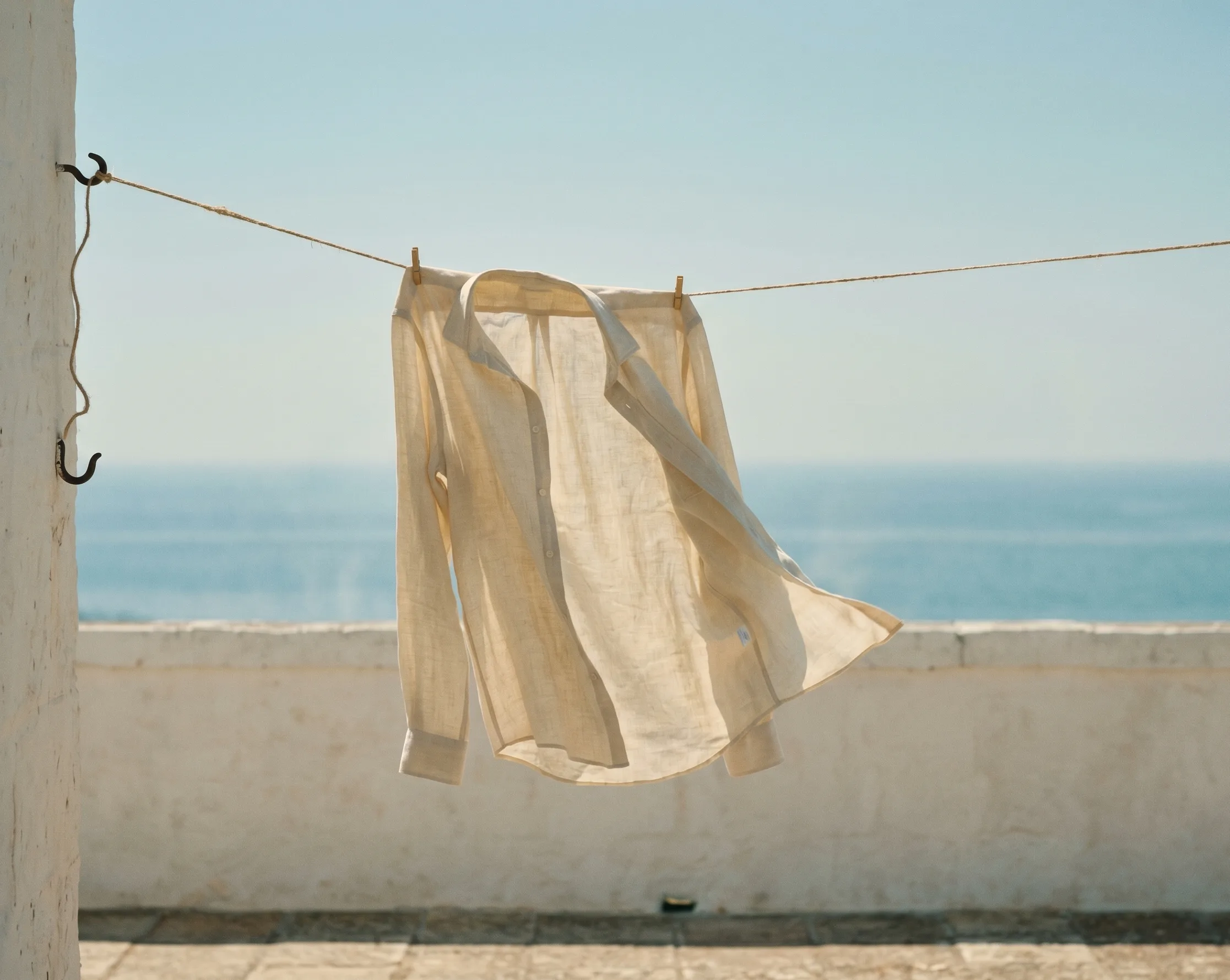
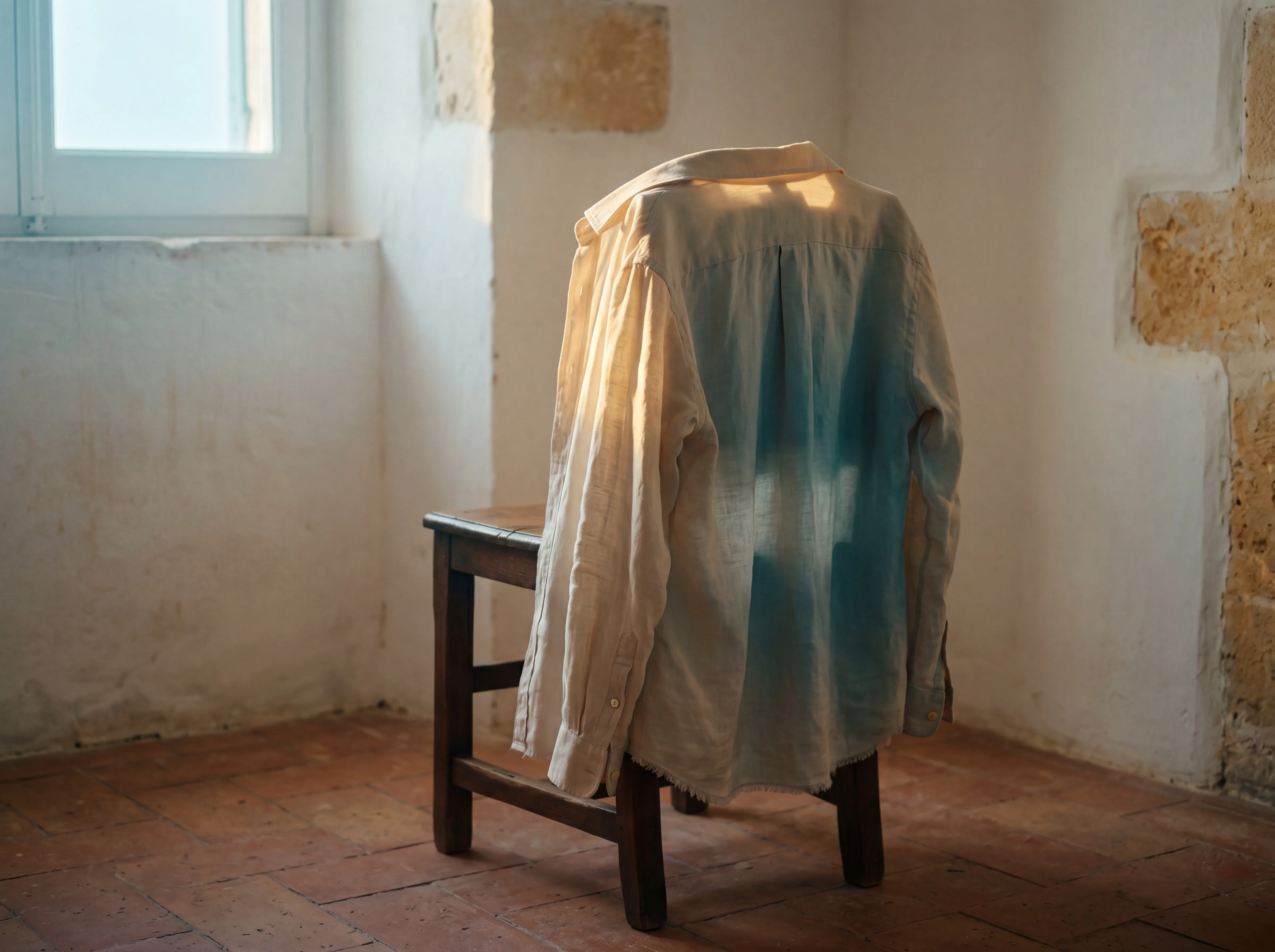
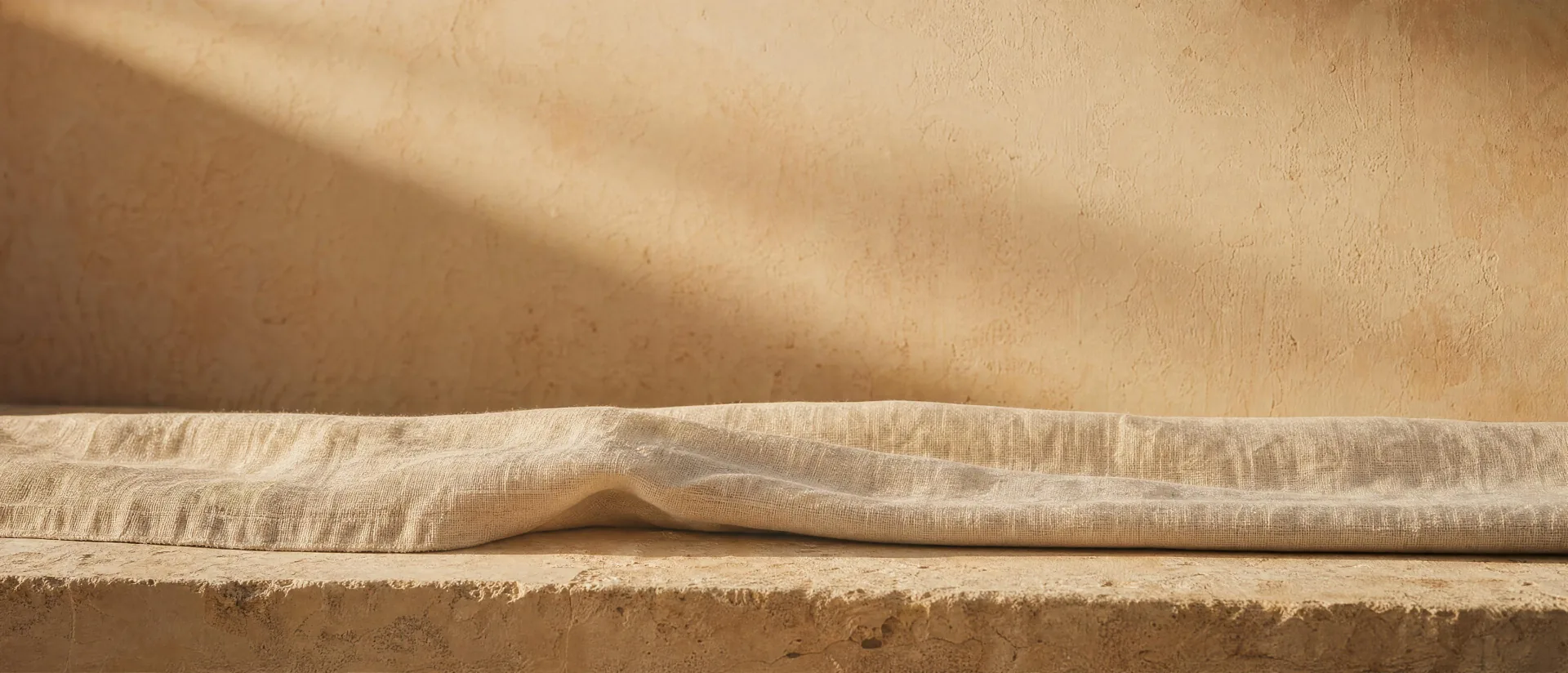
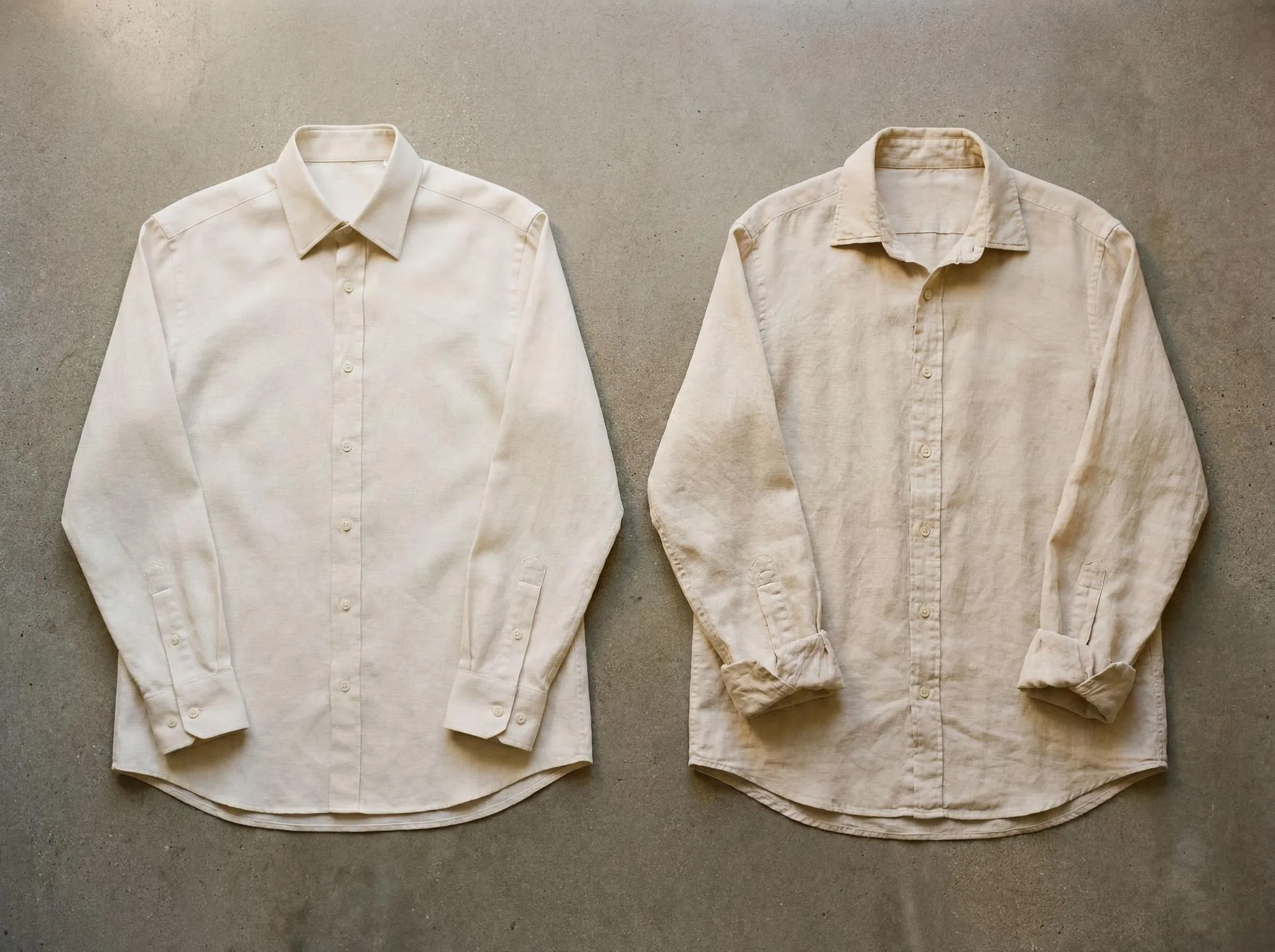
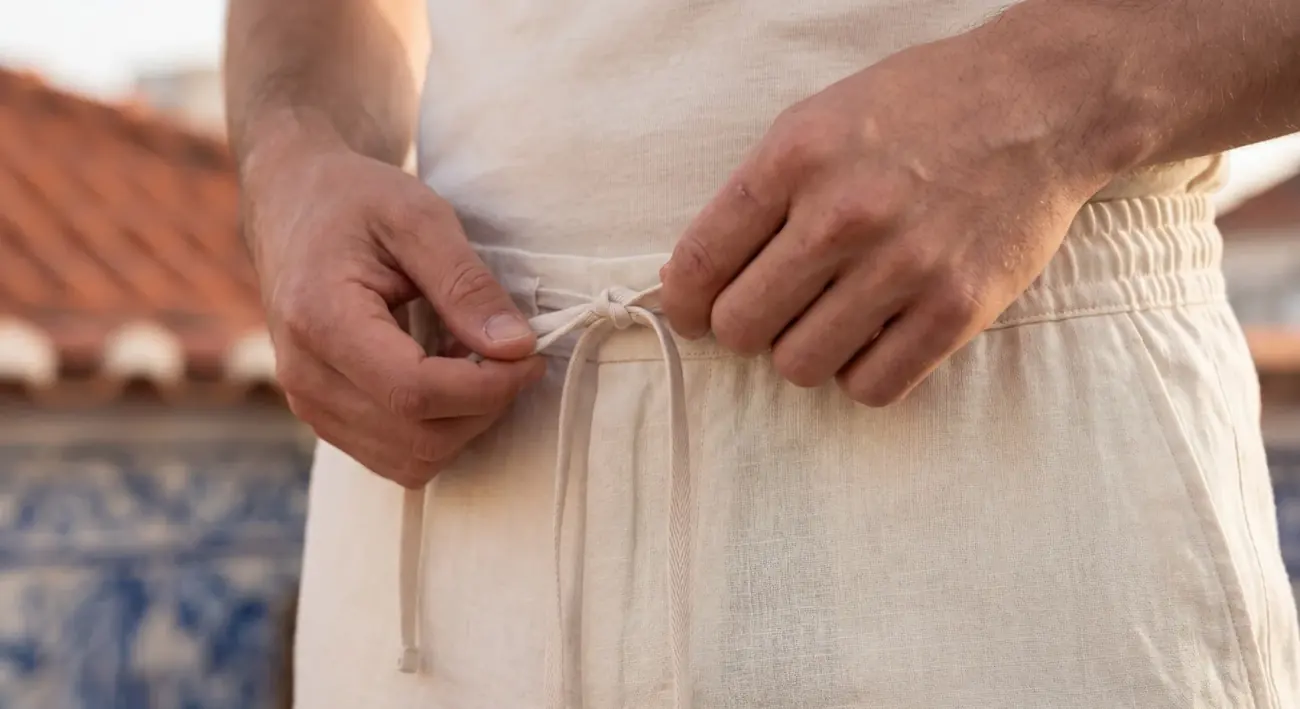
Begin with a single piece — wear it through a season.
All measurements in centimetres. Garment measurements — not body measurements.
| Size | Chest | Waist | Shoulder | Length |
|---|---|---|---|---|
| XS | 86–90 | 74–78 | 42 | 70 |
| S | 90–96 | 78–84 | 44 | 72 |
| M | 96–102 | 84–90 | 46 | 74 |
| L | 102–108 | 90–96 | 48 | 76 |
| XL | 108–116 | 96–104 | 50 | 77 |
| XXL | 116–124 | 104–112 | 52 | 78 |
ARKEN fits true-to-size for a regular Indian shoulder. For an open, layered fit, size up.
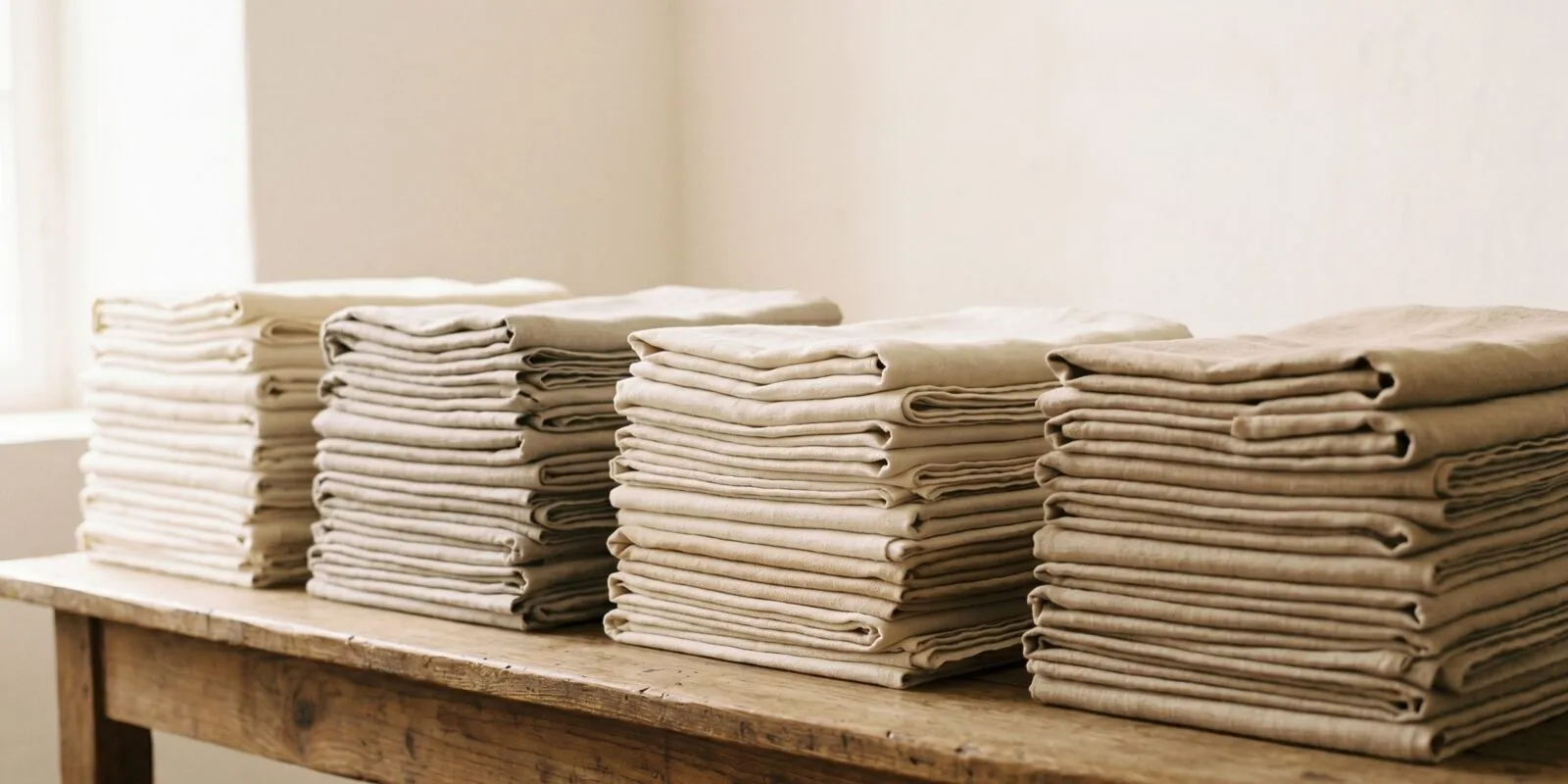
A short note to the concierge. We will let you know — by name, by email — the moment the piece returns to the atelier in your size.
A small Indian house making the linen
garments worth keeping for ten years.
Cut for the climate. Made to soften.
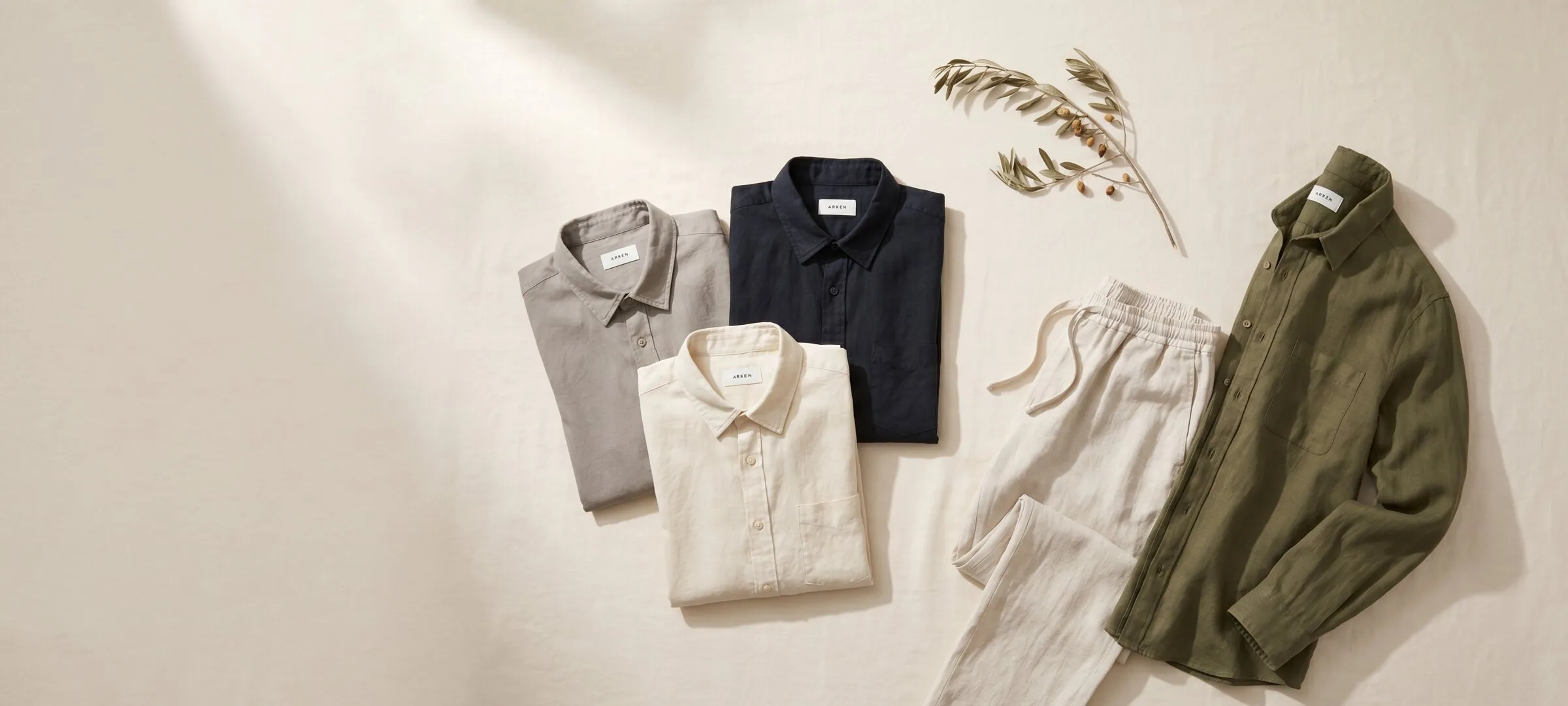
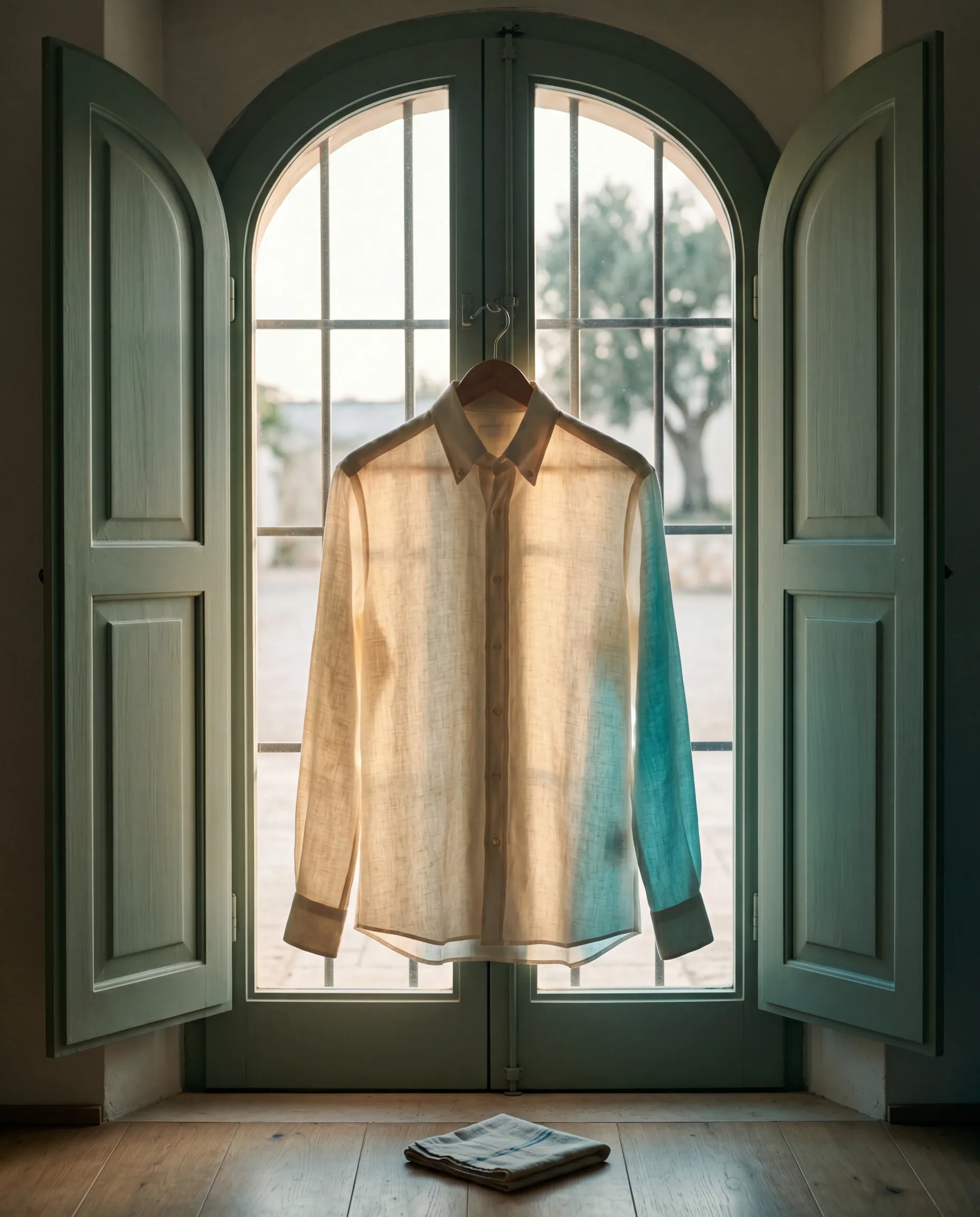
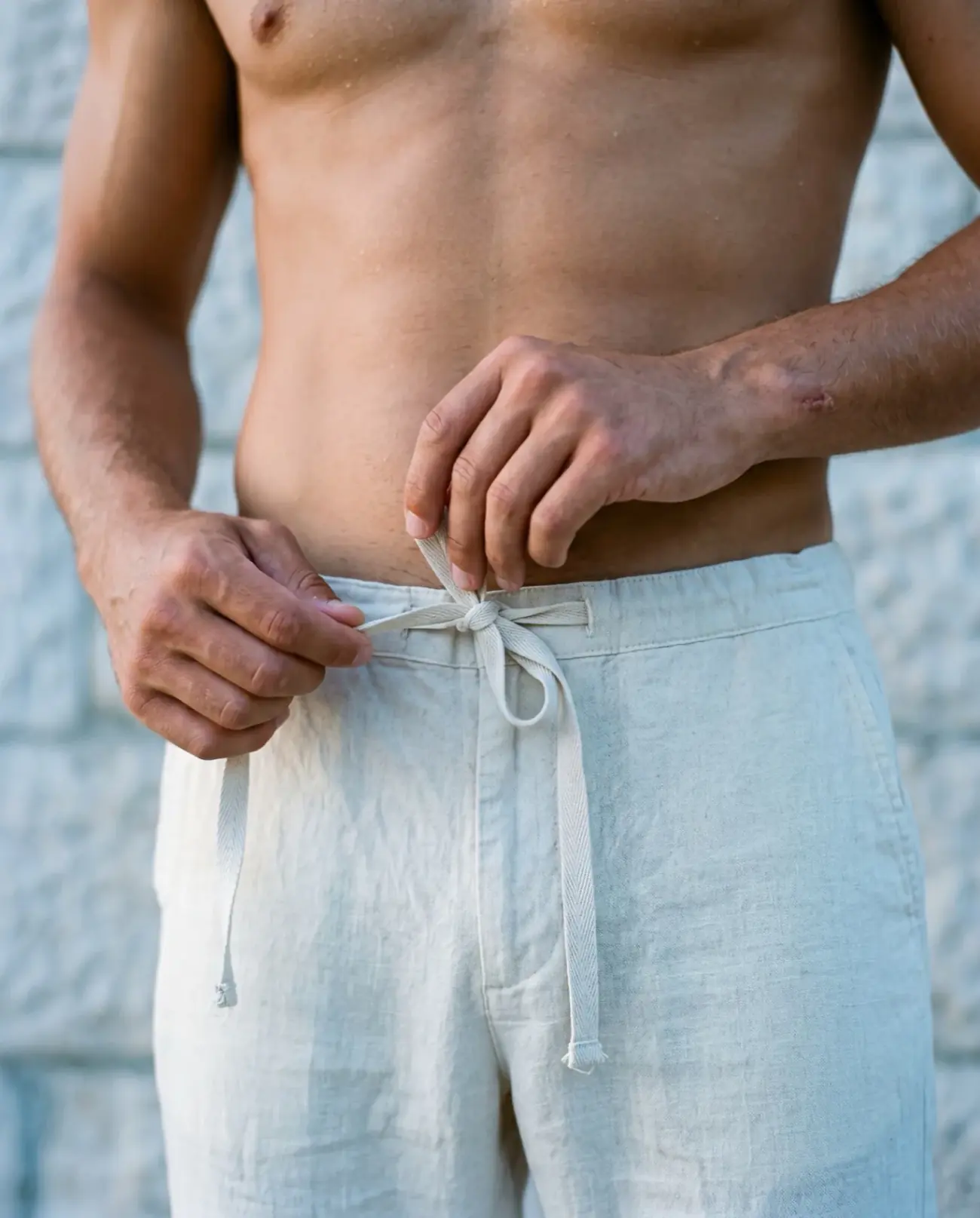
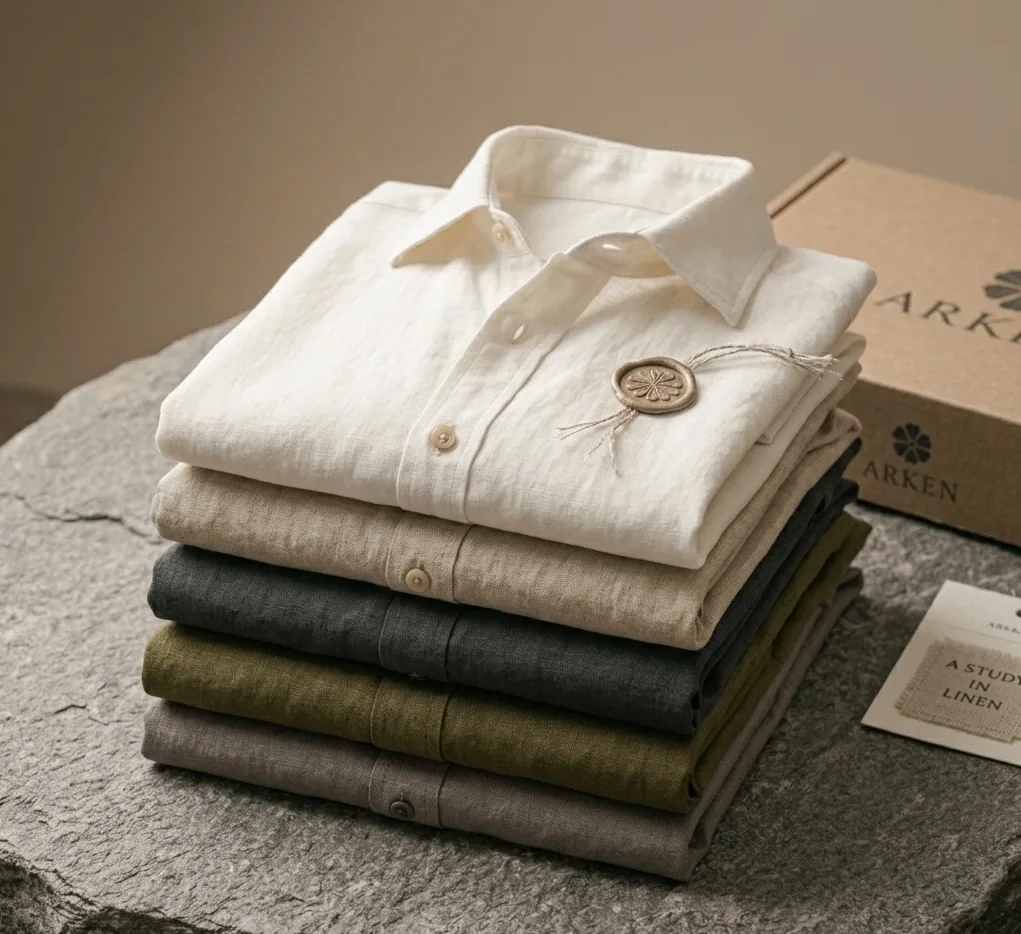
The shirt, the trouser, and the overshirt that the studio returns to first. Cut from the same European flax, in three weights tuned to three needs.
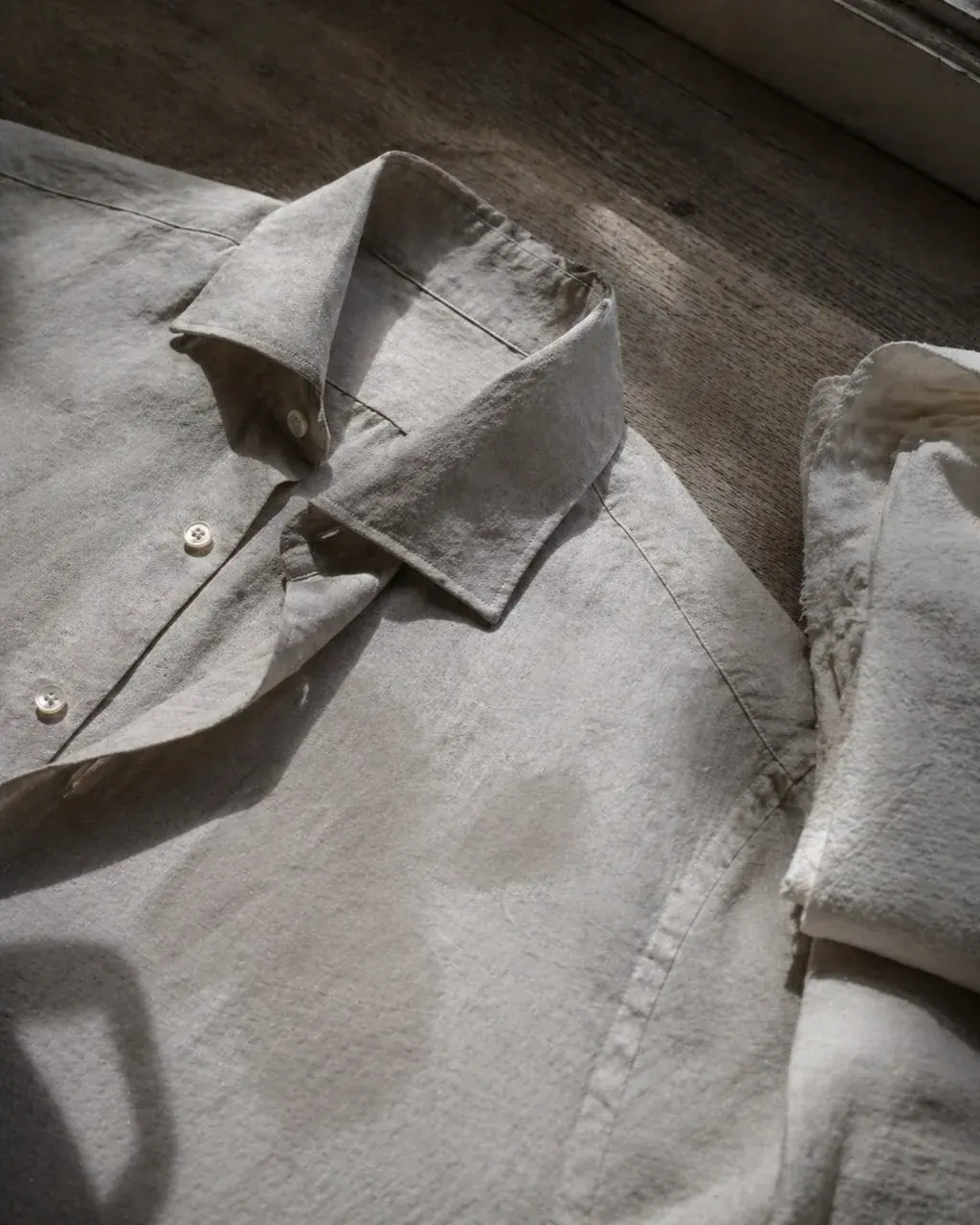
We design garments specifically for warm climates — pieces that breathe easily, move naturally, and improve with time. Each garment is made from carefully sourced linen, garment washed for softness, and designed with restrained silhouettes.
The result is clothing that feels effortless in heat and becomes better with wear.
Most linen sold today is blended, softened artificially, or built for appearance, not for wear. We have written the simple tests we use ourselves — five everyday tests anyone can run in sixty seconds — so that when you buy linen from us, or from anyone, you know exactly what you have.
Discover the Standard →Cotton is comfortable to about 30°C. Above that, it holds moisture against the skin, traps heat, and works against you. Linen's hollow fibre structure wicks moisture away, dries three times faster, and continues to breathe far beyond what cotton can manage. India's climate — eight months above 30°C — demands something better.
Based on thermal comfort performance data. Individual results may vary by activity level and humidity.
European linen. Garment washed. Designed for warm climates.
Every ARKEN garment follows the same five-stage process. We document each step so the specifications on our product pages are not marketing language — they are verifiable facts.
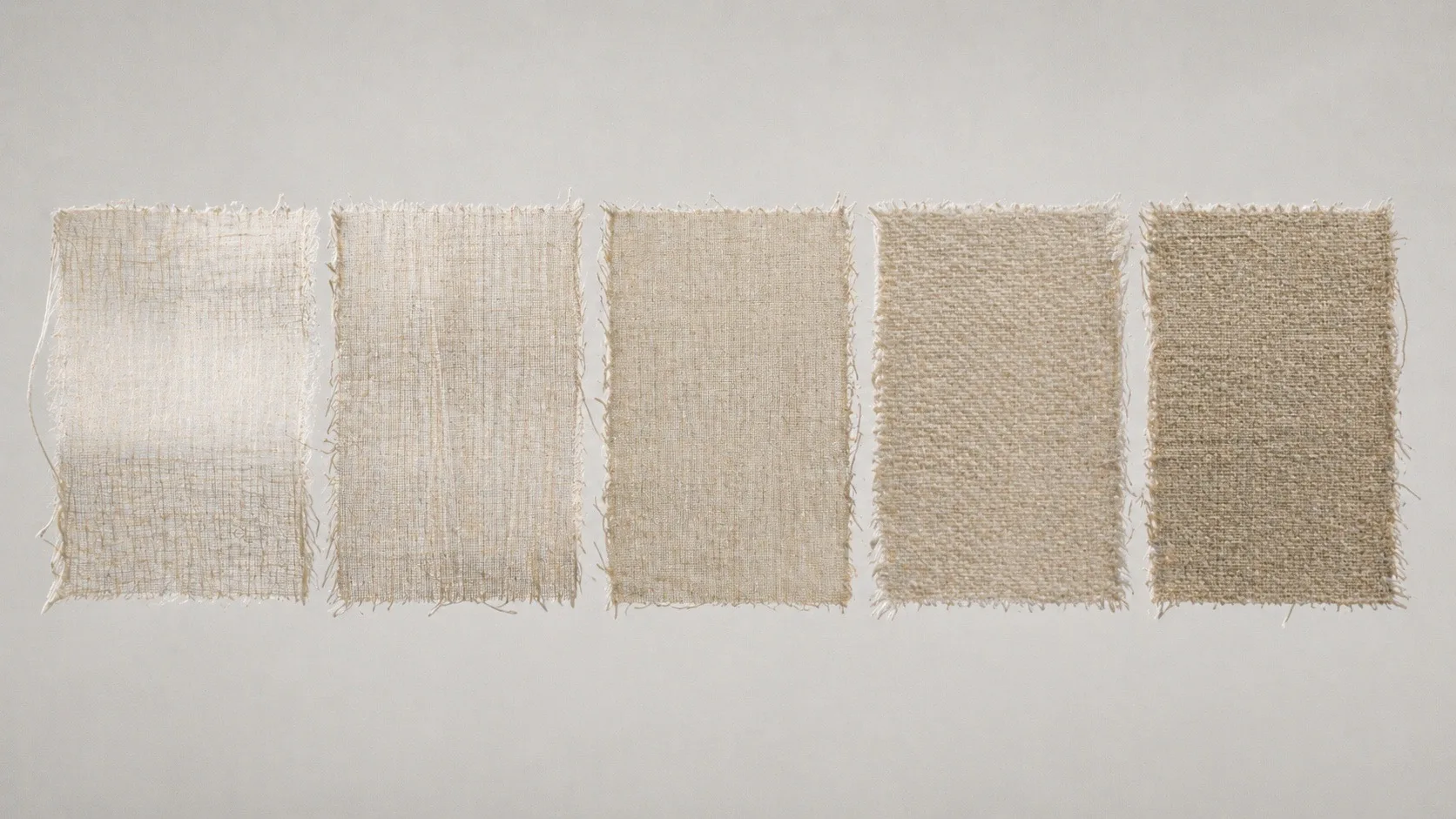
Most fabrics degrade with use. Linen is the exception. The fibre structure means repeated washing does not weaken the fabric — it transforms it. Stiffness becomes drape. Surface becomes tactile. The garment develops a character that belongs to its wearer.
The structural reasons linen outperforms every other fabric above thirty degrees — and why India should have stayed with it.
Early access to capsule releases, seasonal lookbooks, and the ARKEN journal — written by the studio, never sold to anyone.
The complete ARKEN collection — linen menswear built for the Indian climate.
Most premium linen is sold on adjectives. The studio prefers numbers, mill names, and verifiable specifications. The case for ARKEN linen, in four claims a buyer can check.
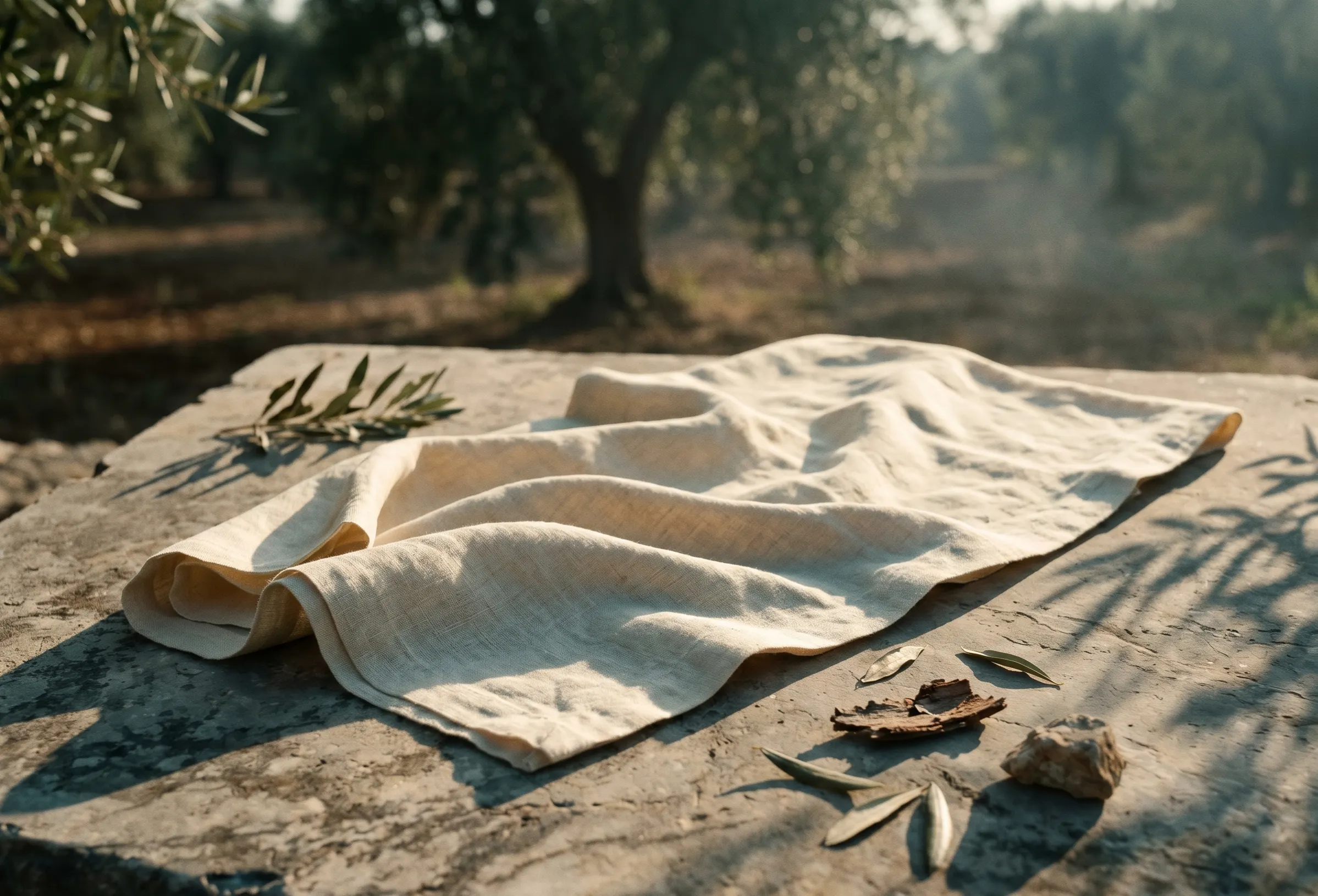
Every ARKEN garment uses flax grown in the cool, damp climates of northern France and Belgium — the only region whose climate produces the long, consistent fibres that drape the way linen is supposed to drape. Tropical-grown flax is shorter, coarser, and cheaper, and it produces the kind of cloth most Indian buyers have come to assume is what linen feels like. It is not. Our shirting is 100% European flax. Our heavier pieces are 70/30 European flax-cotton blends, named honestly on every product page.
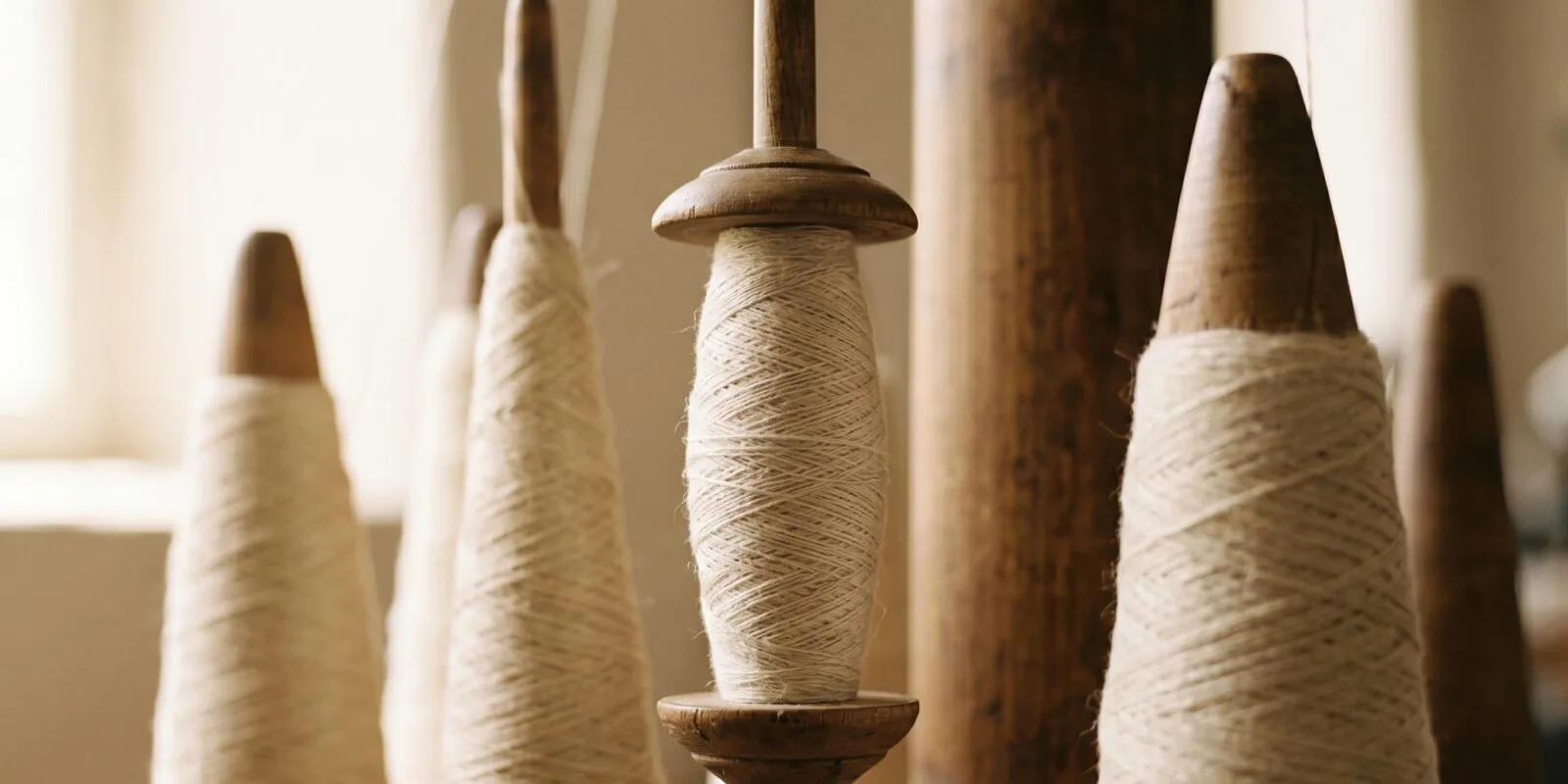
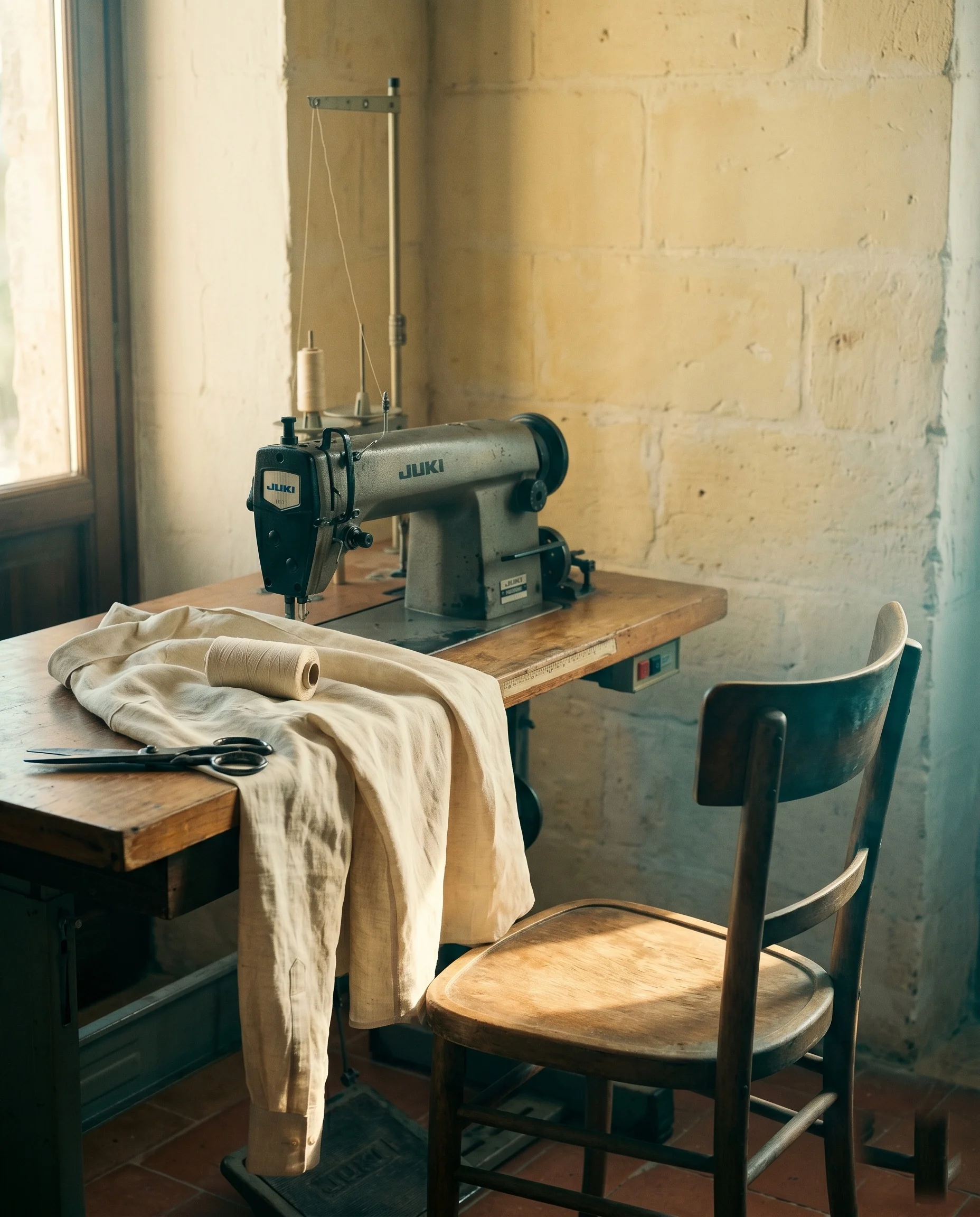
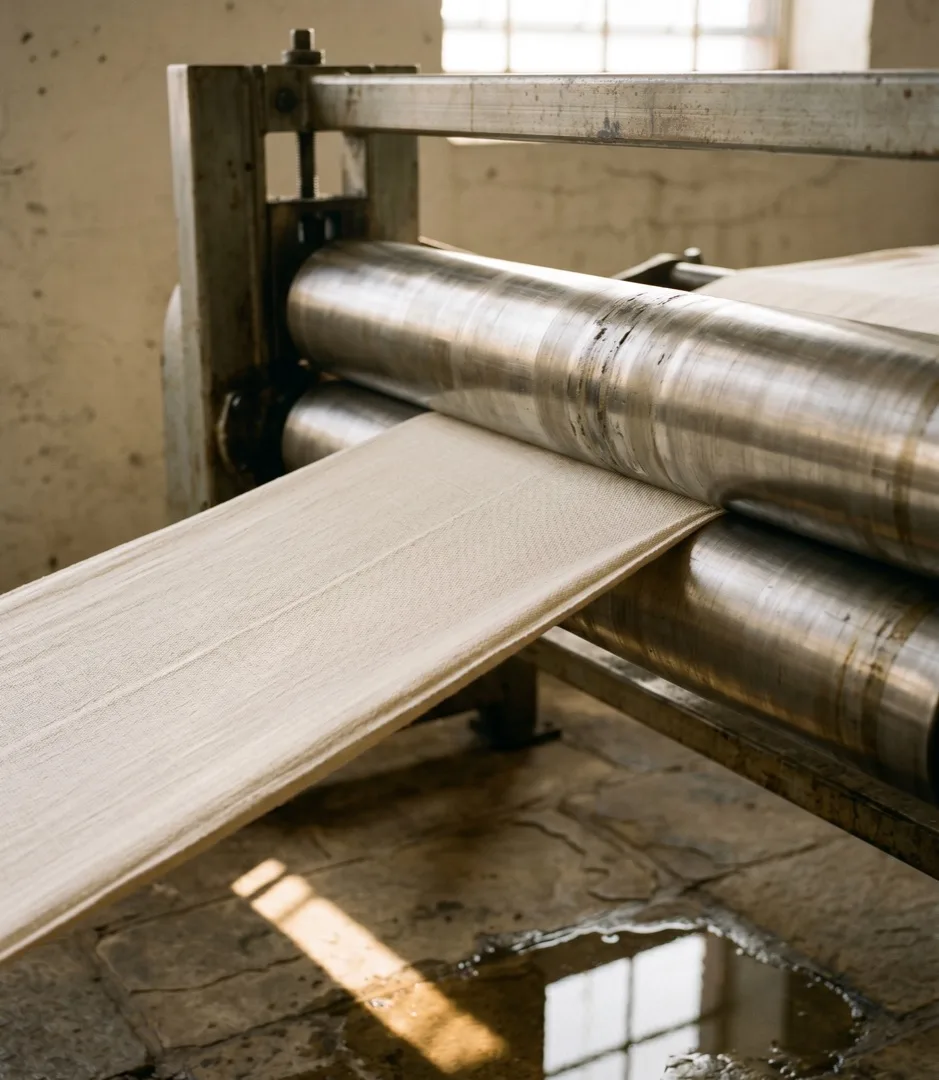
The fabric is woven and finished at a textile facility established in 1931 — one of the few in India that supplies multiple international brands operating at the Lemaire/COS price tier. The mill name is held close, but the work passes through audits twice a year. Spinning, weaving, enzyme-washing, sanforising, Oeko-Tex Standard 100 certification — all happen under one roof, by people who have been doing it for three generations. We did not pick the cheapest mill. We picked the one whose existing client list was credible.
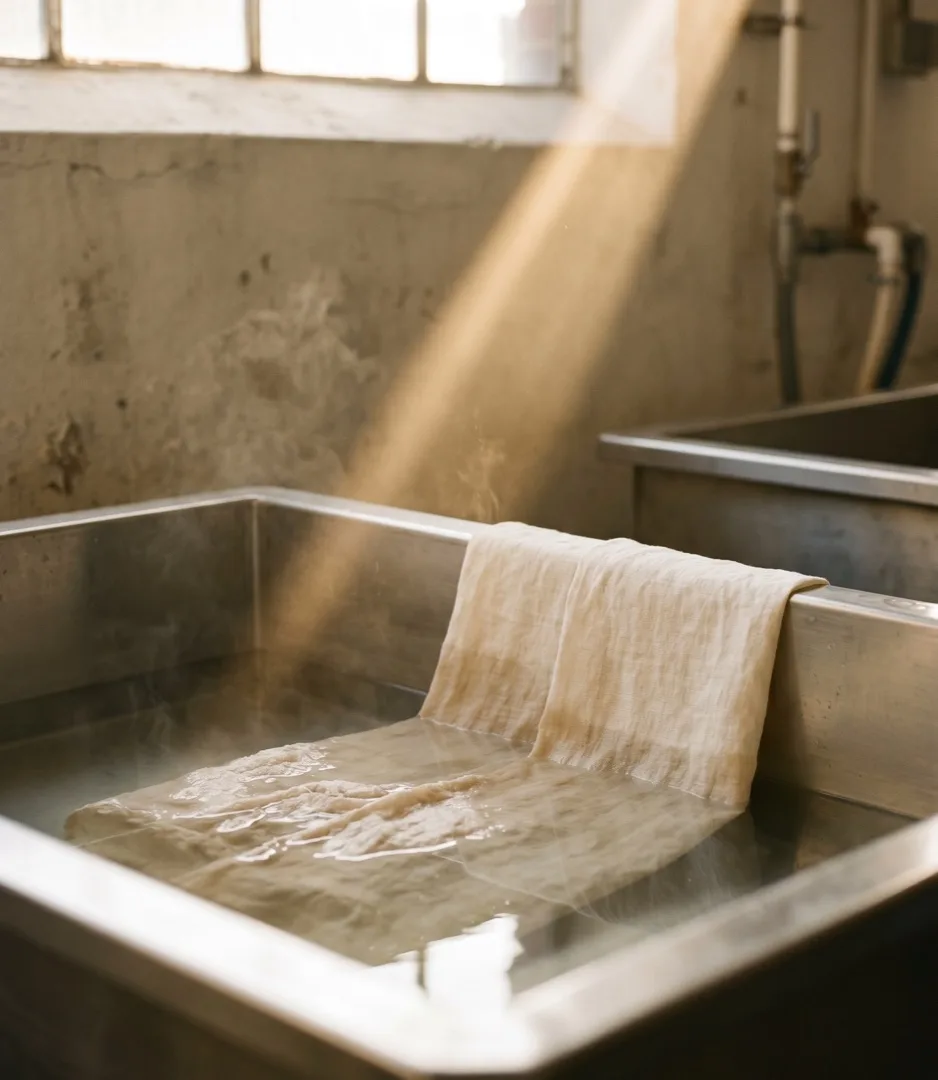
Linen straight off the loom is stiff, slightly waxy, and uncomfortable for the first ten wears. Most Indian linen brands ship the cloth in this state — partly to save on finishing costs, partly because they have not learned the difference. ARKEN garment-washes every piece with enzymes that gently break down surface fibres before the garment ships. The result: the cloth arrives soft, drapes correctly, and behaves on day one the way most linen only behaves after a year. The cost is in the finishing. The benefit is in the wearing.
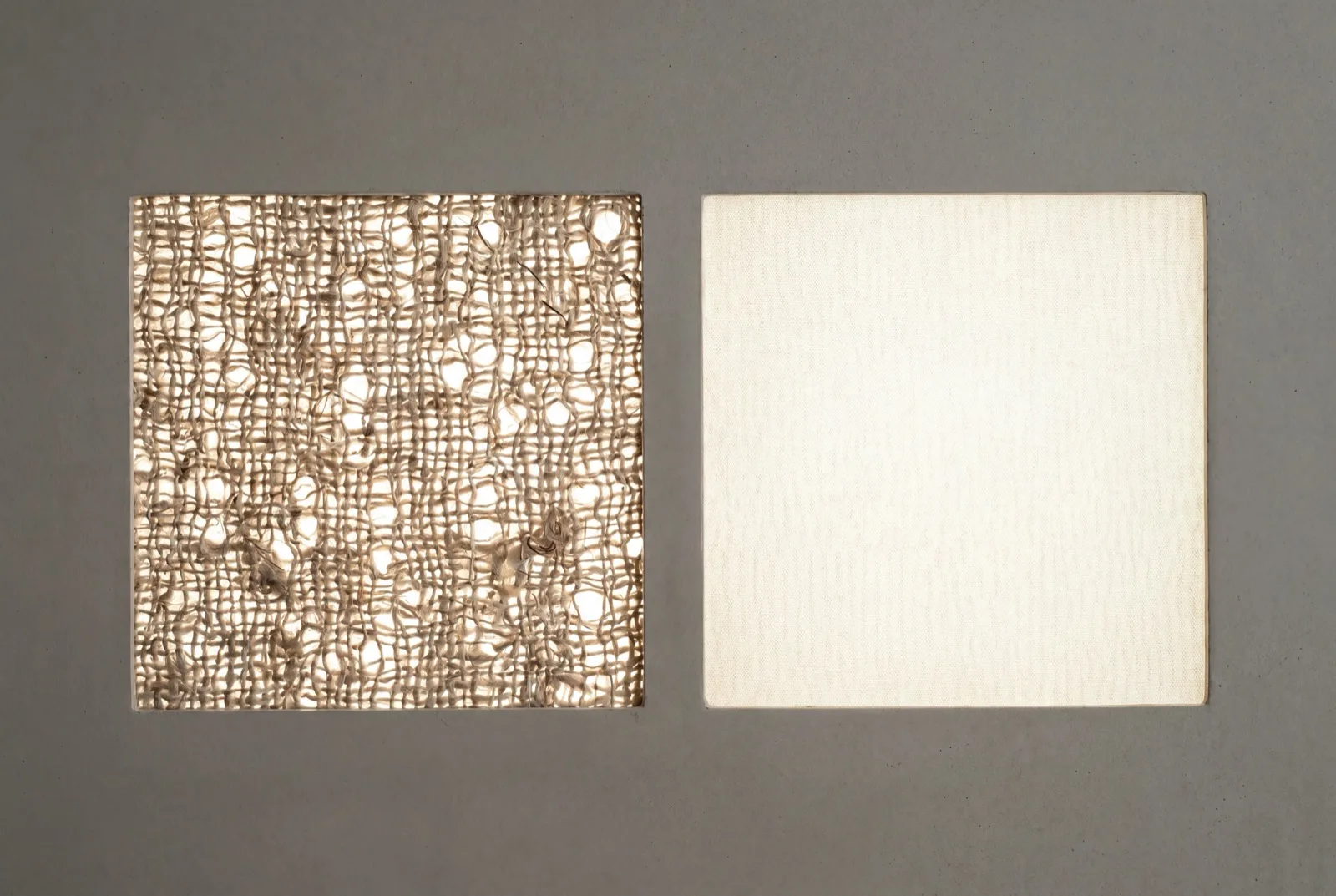
Most linen brands do not publish the GSM of their fabric. Most of them are below 130 GSM — translucent, short-lived, the kind of cloth that wears out in a season. ARKEN shirting is woven at 150–165 GSM. Trousers and overshirts at 185–205 GSM. We publish these numbers on every product page because we consider the omission, in this category, to be a quiet tell. The full case for reading GSM on a product page is in the journal.
Each of the four claims is independently verifiable. Each of them costs us money the alternatives would have saved. The price you pay reflects each of them.
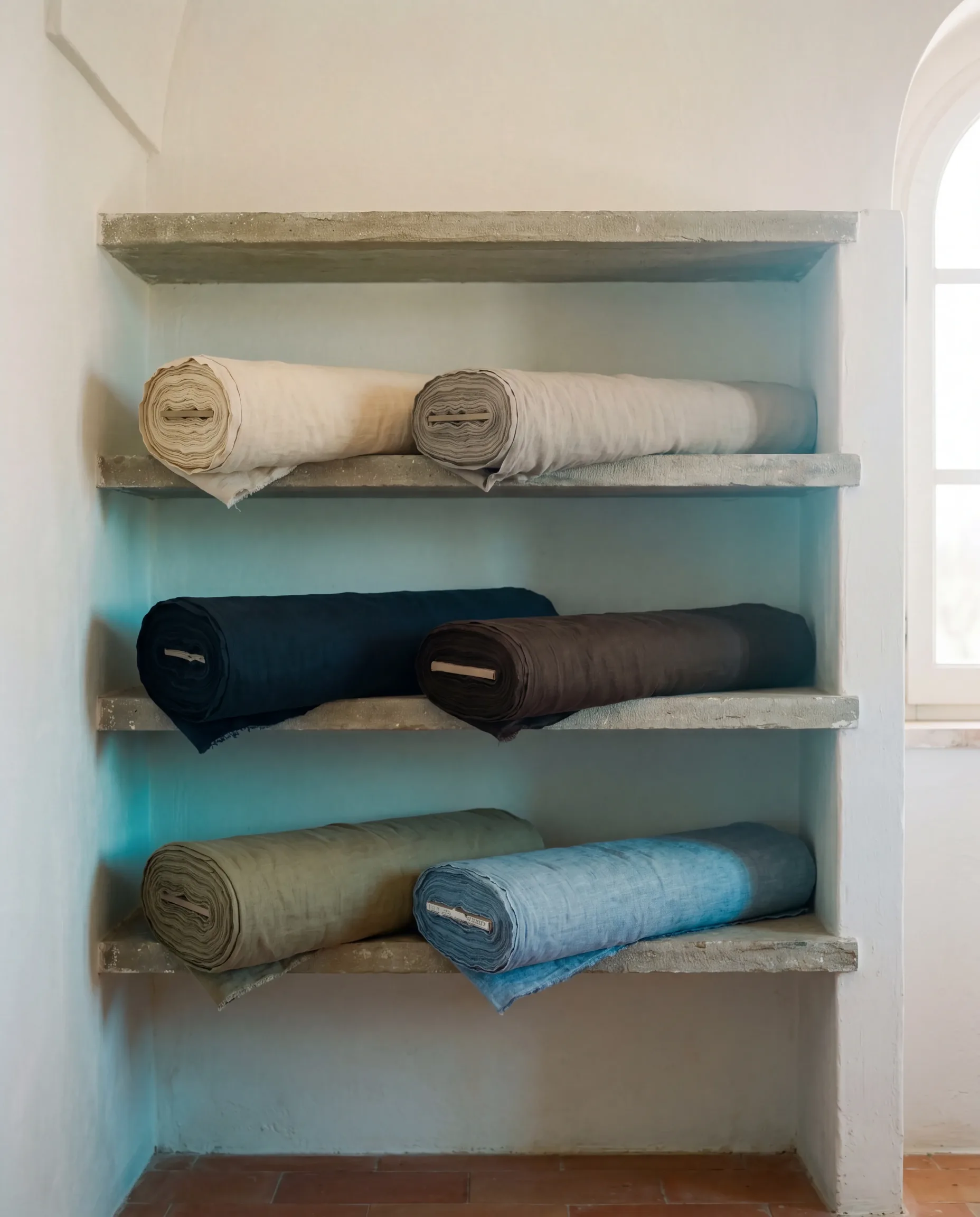
Linen is made from the fibres of the flax plant — Linum usitatissimum. The finest flax in the world grows in the cool, damp climates of northern France and Belgium, where the slow growing season produces longer, more consistent fibres than tropical alternatives. This is why European linen drapes differently. Not because of processing — because of geography.
ARKEN sources exclusively from European flax. The decision is not marketing. It is the single biggest determinant of fabric quality before the loom is even set.
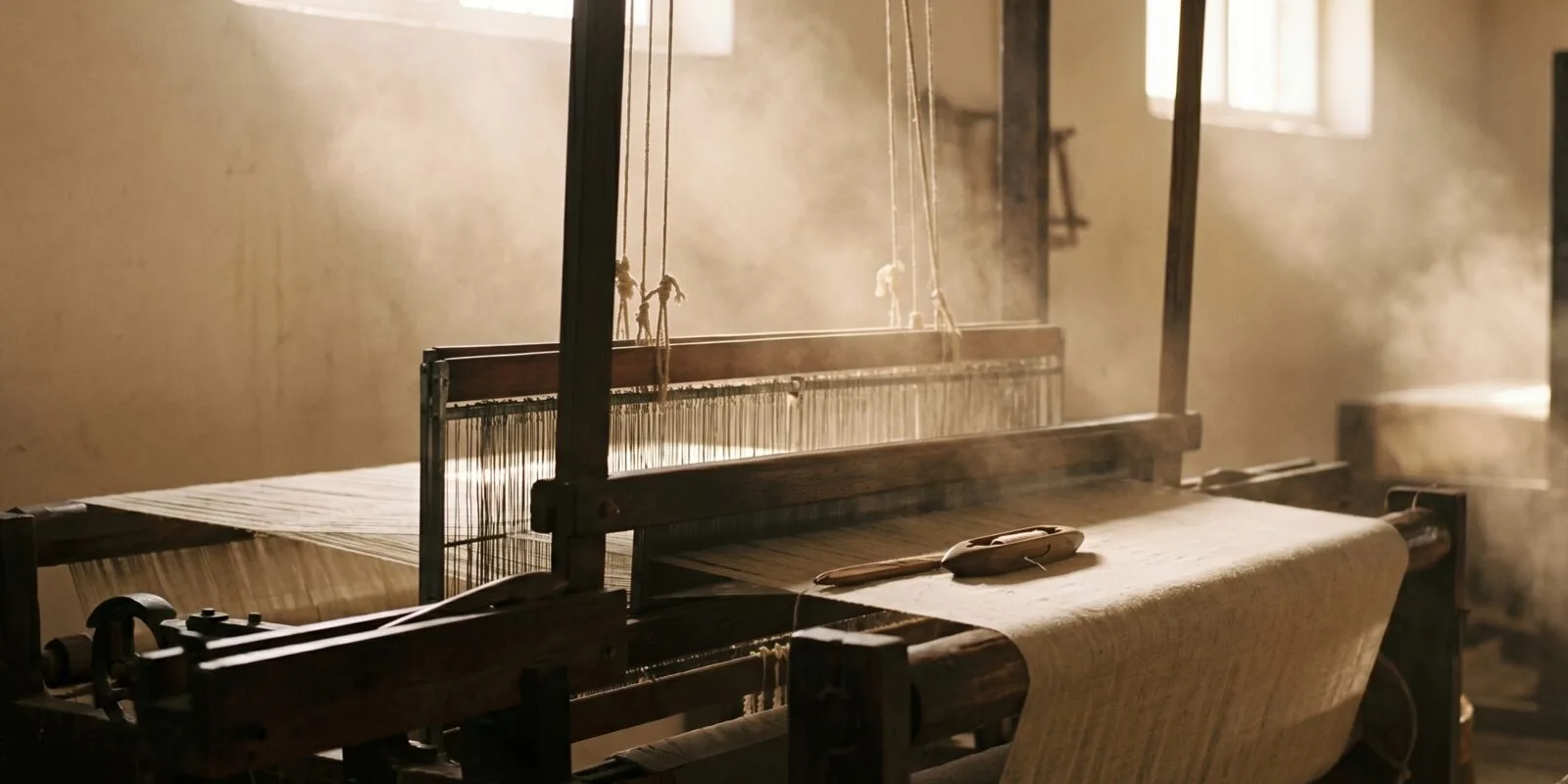
The journey from field to finished garment spans two continents — but the entire manufacturing process happens at one of India's most exacting textile facilities, established 1931.
Linen has been worn in warm climates for 6,000 years. Not because it is fashionable. Because nothing else performs as well in heat.
Cotton absorbs moisture and holds it against the skin. Synthetics trap heat and do not breathe. Linen wicks moisture away, dries quickly, and cools by allowing airflow through its open weave structure. In a country where eight months of the year exceed comfortable temperatures for any other fabric, linen is the structurally correct choice.
All ARKEN fabrics begin at European flax linen — India's most respected textile manufacturer, established in 1931. Each fabric goes through five controlled stages before it reaches a garment.
European flax, grown in France and Belgium. Cooler growing temperatures produce finer, longer, more consistent fibres than tropical-grown alternatives. This is the primary reason European linen drapes differently.
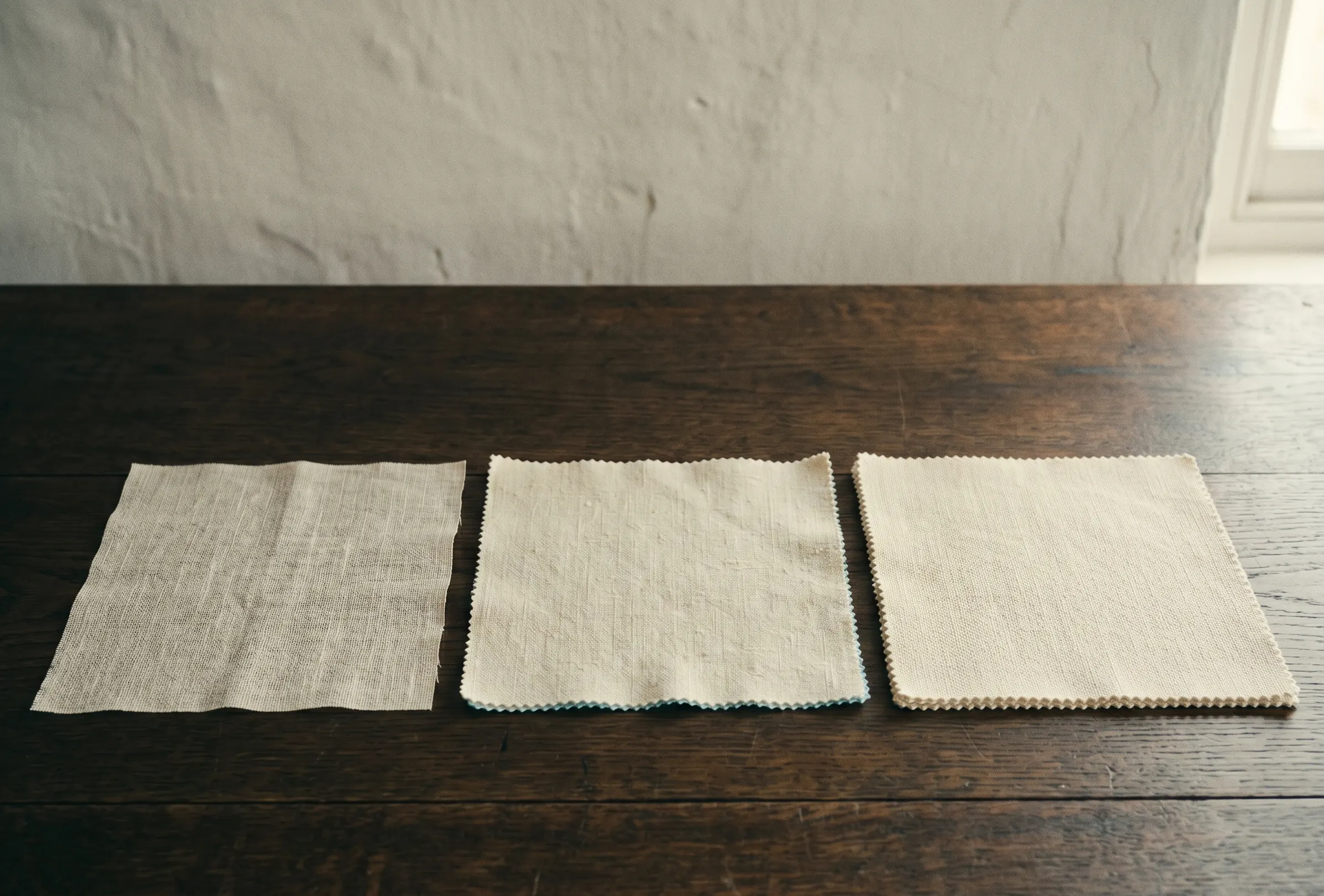
Each fabric is woven to an exact GSM target. Our shirting weight is 155–165 GSM — sufficient opacity, sufficient structure, low enough to remain cool through a working day. Our canvas weight is 185–210 GSM for overshirts that hold their shape without stiffness.
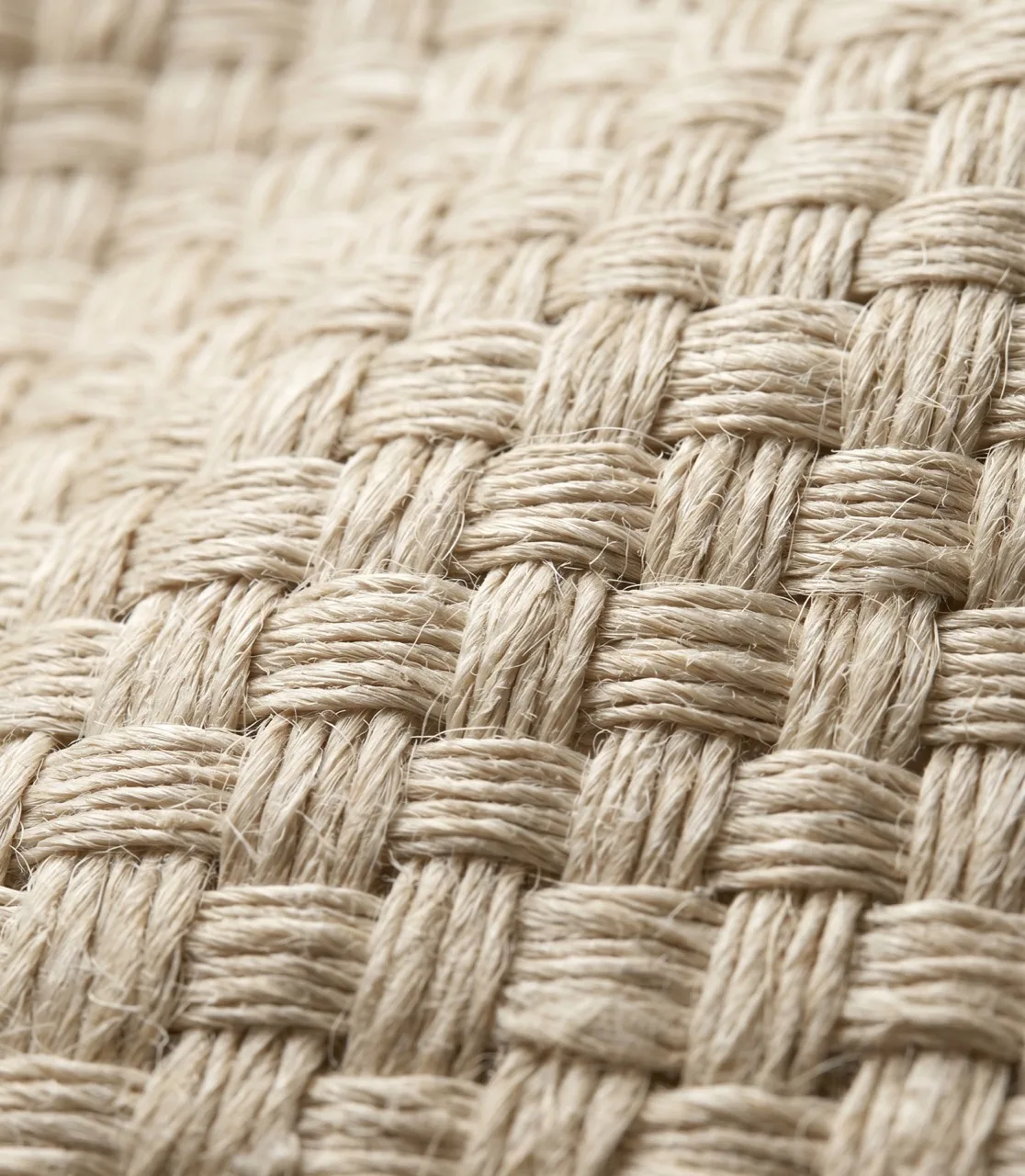
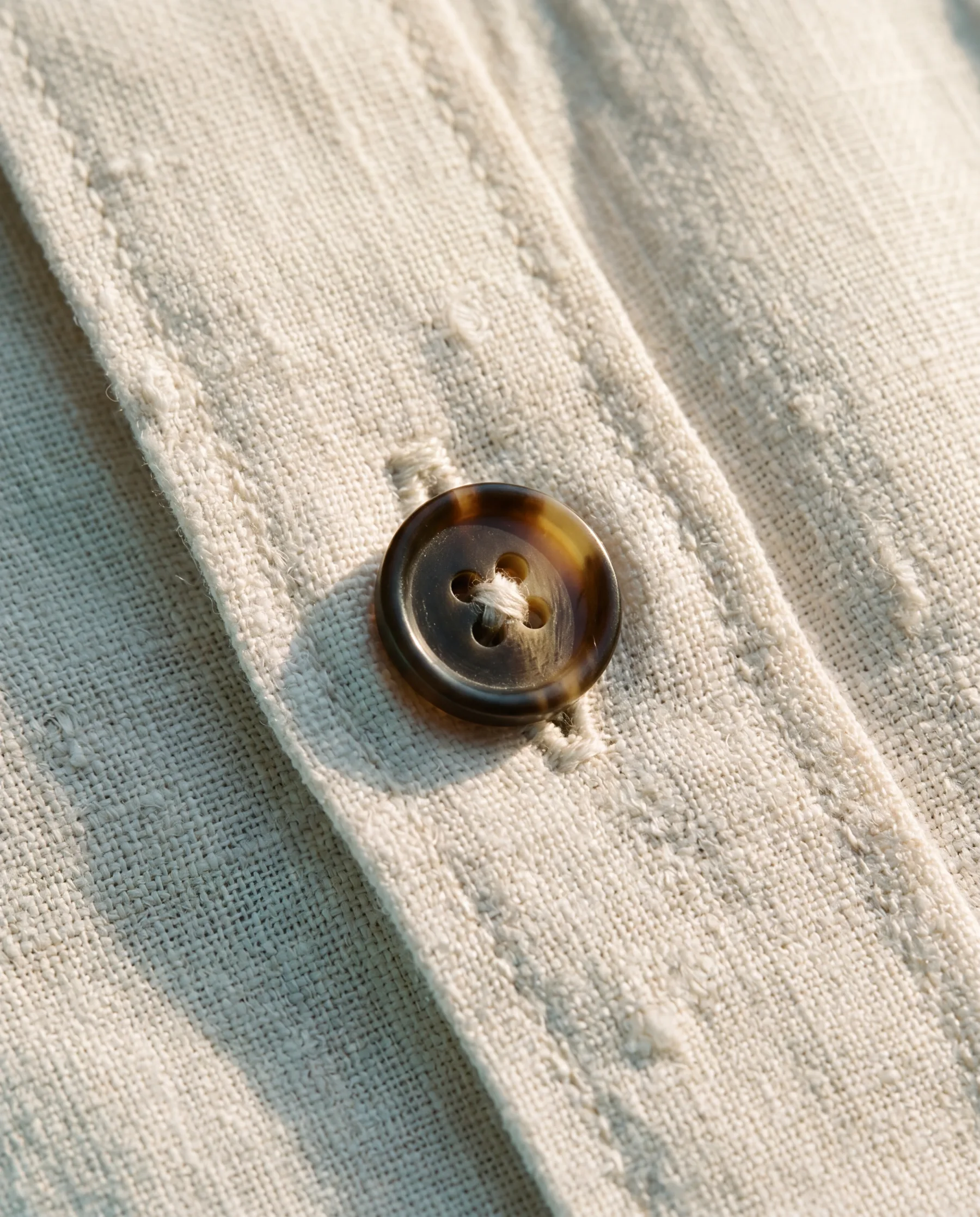
Every ARKEN fabric is enzyme washed before cutting. This biological finishing process removes protruding surface fibres — the primary cause of the scratchy texture associated with inexpensive linen. The result is a fabric that is soft from first wear, without artificially flattening the natural weave.
A controlled mechanical pre-shrinking process. An ARKEN garment fits the same after 100 washes as on day one. Residual shrinkage is under 1%.
Every ARKEN fabric is independently tested and certified against Oeko-Tex Standard 100 — verified free of over 100 harmful substances. Safe for prolonged skin contact.
GSM — grams per square metre — is the single most useful specification when evaluating a fabric. It determines drape, opacity, structure, and thermal performance. Every ARKEN product states its exact GSM.
Most brands do not publish GSM. When they do, it is often below 130. ARKEN publishes exact GSM on every product — and does not produce anything below the functional threshold for its category.
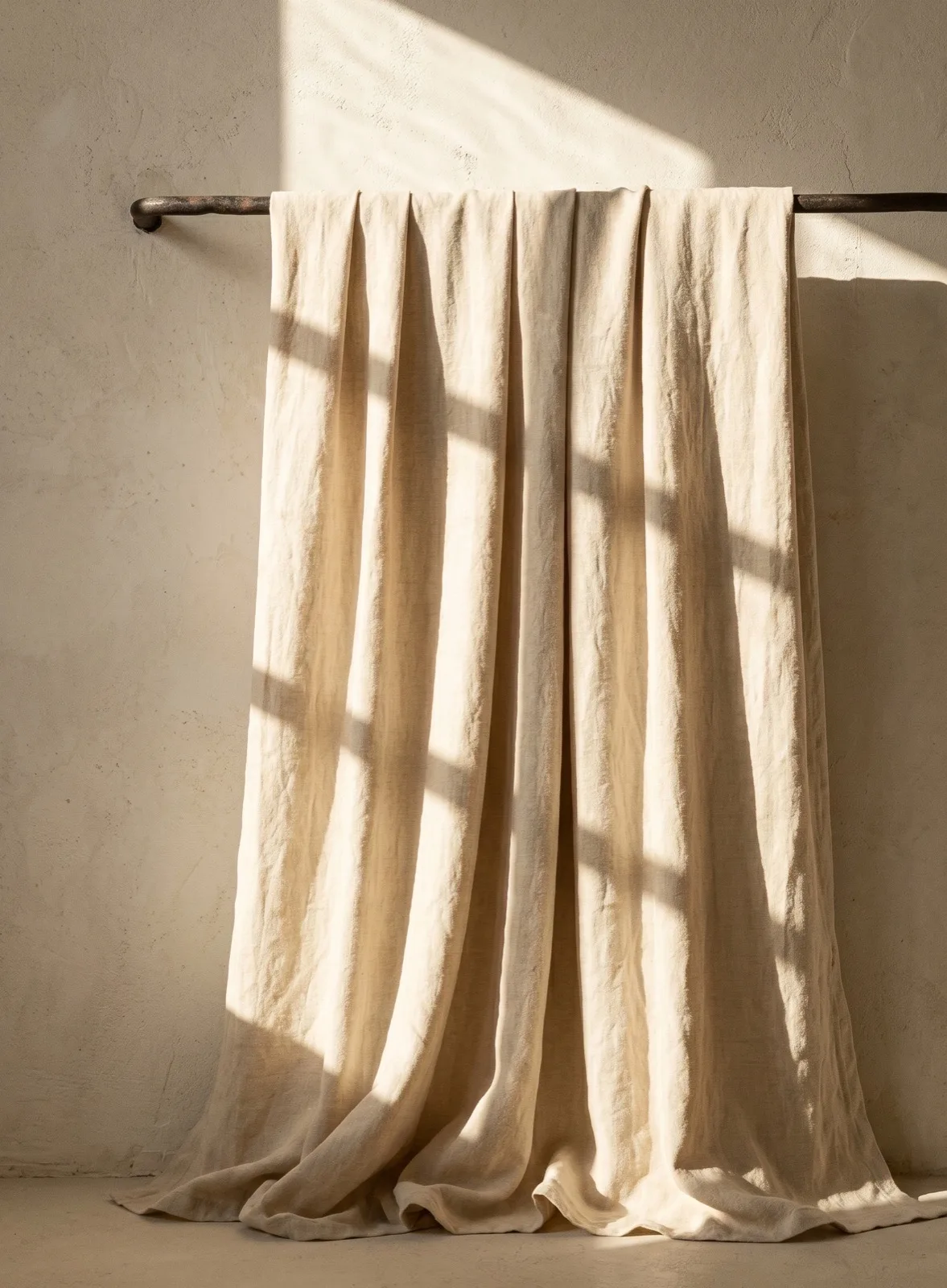
New linen has a surface stiffness. Enzyme washing reduces this substantially, but it is present. After five washes, that stiffness resolves into a soft, fluid drape that cotton cannot replicate.
Linen does not degrade with repeated washing — it improves. The weave relaxes. The surface becomes more tactile. The garment begins to conform to the body.
A three-year-old ARKEN shirt, washed weekly, is a better garment than the day it arrived. This is the opposite of what fast fashion sells you.
Machine wash at 30°C, gentle cycle. Do not tumble dry. Hang or lay flat immediately after washing. Iron on medium heat while damp — or do not iron. The natural texture of linen is a property of the fabric, not a flaw.
Do not bleach. Do not dry clean. Store folded in a cool, dry place.
Fabric education, styling notes, and the case for wearing linen in India.
ARKEN is a small house. We make linen menswear designed for the Indian climate — pieces that breathe, soften with wear, and look better in their third year than their first.
Linen menswear in India consistently fails at the fabric level — not the design level. The shapes are often correct. The fabric is not.
Most linen sold in this country is woven to low GSM specifications, blended with polyester for cost reduction, and finished without enzyme washing. It feels scratchy on day one and worse by month three. It has given linen a reputation it does not deserve, in a climate where it should be the default.
ARKEN was founded to fix this. Not by reinventing linen — linen does not need reinventing — but by sourcing it correctly, finishing it correctly, and cutting it for the people who will actually wear it.
The right fabric, made correctly, needs no embellishment.
— ARKEN design principle
Every ARKEN garment is woven from flax grown in France or Belgium. Cooler northern climates produce finer, longer fibres. The drape is fundamentally different from tropically-grown alternatives. We will not blend with cotton or polyester to reduce cost.
Each garment is enzyme-washed and sanforized before it leaves the atelier. The fabric softens and pre-shrinks; the silhouette settles. The piece you receive is the piece you keep — no break-in period, no surprise after the first wash.
The collection refreshes only when there is a reason. We will not push seasonal newness for its own sake. A camp collar from this year's collection is meant to wear with a trouser from three years from now. That is the point.
Everything below appears on every product page. These are not marketing claims; they are conditions of production.
If we have not yet earned a piece in your wardrobe, we hope to. Begin with a single shirt — wear it through a summer — and decide for yourself.
A small house earns its second purchase, not its first. The clients who return to ARKEN do so at a different pace, with different access, and on different terms — deliberately, by name, in their own time.
There is no signup, no card, no points, no tier. The studio remembers the people who wear its work, and conducts itself accordingly.
The pieces you have purchased before, when they return, are held for a forty-eight-hour window before public release. A note from the concierge — not a marketing email — informs you that the cloth you wore last summer is back in your size.
Each seasonal capsule opens to returning clients ten days before the public lookbook is published. The lookbook arrives by email, attached as a PDF, with an order link reserved to the recipient. You are not asked to share it.
After your first order, the WhatsApp number you used to enquire becomes a standing line into the studio. Sizing, alterations, restocks, recommendations — answered within working hours, by the same person, without a ticket queue.
For clients who know what they want and prefer to wait: a piece in your size can be set aside from the next production run, with a deposit and a delivery date. We hold one in twelve of every batch for this purpose.
Mumbai-based clients are welcomed at the atelier by appointment for first-fitting alterations, fabric viewings, and to see capsule pieces before they reach the website. A standing invitation, not a one-time event.
A few times a year, the studio releases a limited piece — a colourway not in the main collection, a fabric experiment, a one-off cut. These reach returning clients first, in numbered batches. They are not advertised.
A house that knows your size, your tone, and the trousers you packed for Goa is a house worth returning to.
There is no application. The relationship begins with the first order, and the studio extends what it can from there. Some clients return after three months; some return after a year. We notice both.
If you have purchased before and would like to make yourself known to the concierge — for a sizing question, a request to be notified of a specific restock, or simply to introduce yourself — the WhatsApp line is below.
The first time an ARKEN order arrives, the box should ask something of you — to slow down, briefly, before opening it. We have built it to.
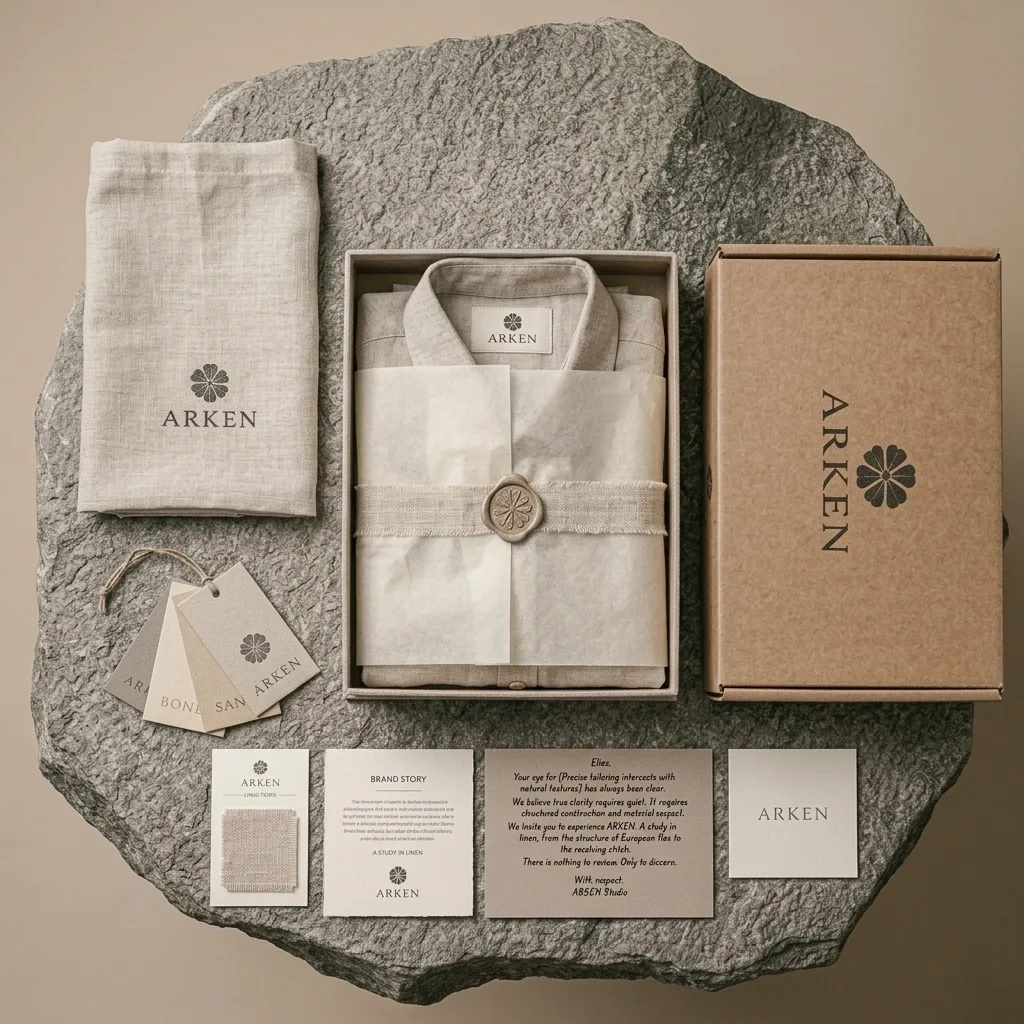
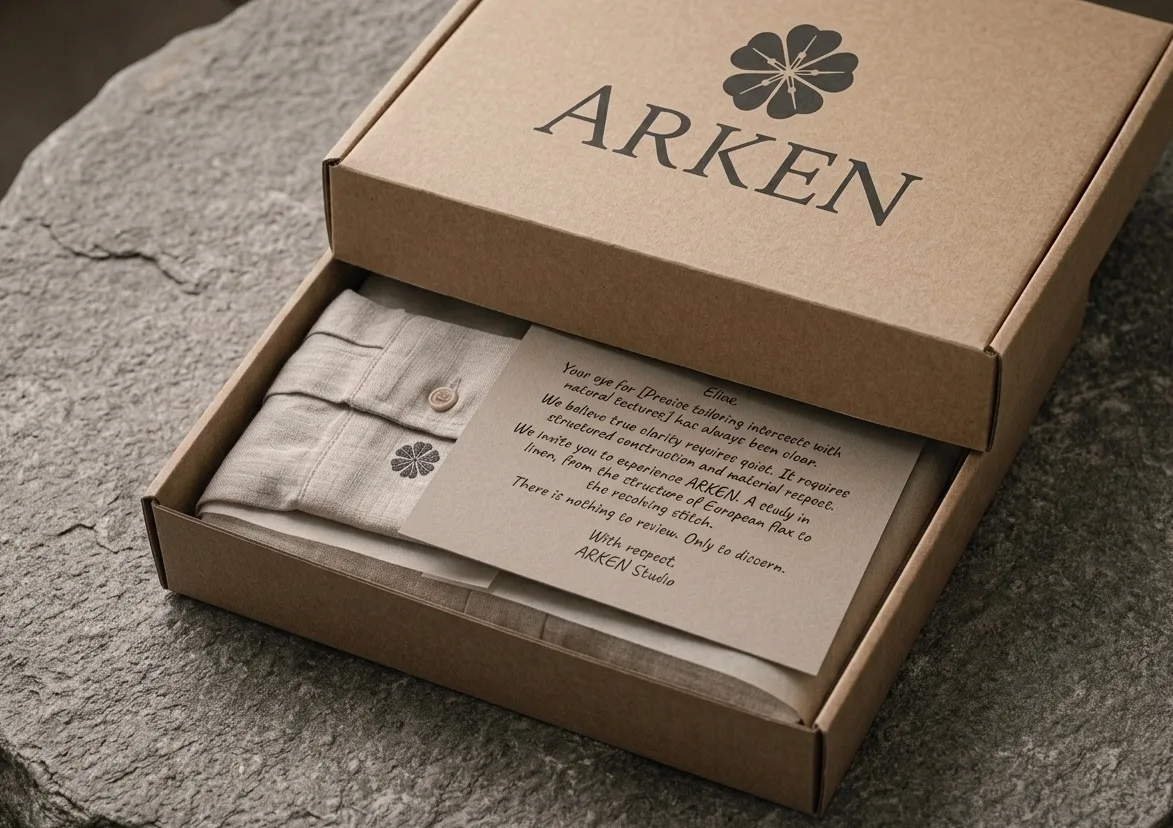
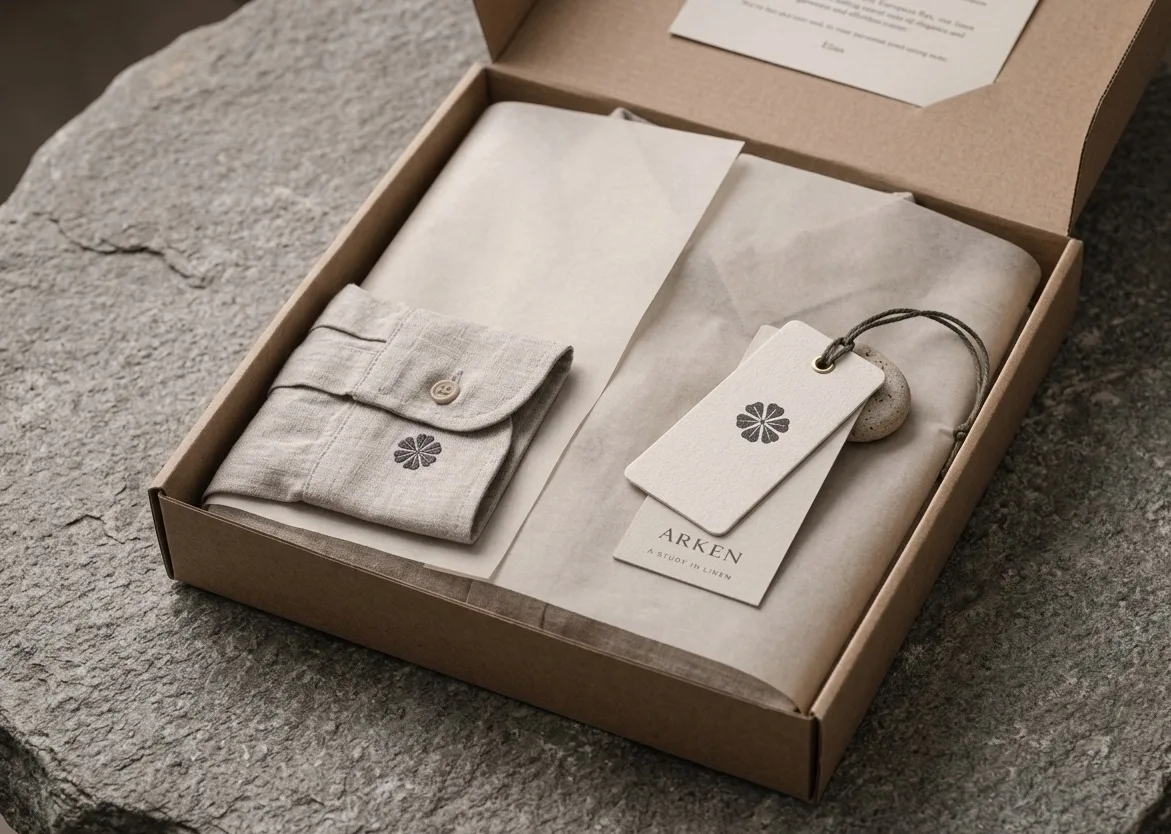
The outer box is unprinted kraft, double-walled, sealed with a single ARKEN-stamped paper seal. There is no plastic on the package, and there is no logo larger than three centimetres anywhere on it. From the courier's perspective, it is an anonymous box. This is intentional.
Inside the box, each garment is folded by hand and wrapped in unbleached cotton — not tissue paper, not glassine. The cotton is washable and reusable; clients have written to tell us they use it as a small kerchief, as a pocket square, as a wrap for travel. We did not plan that, and we like it.
Multiple-piece orders are wrapped together, with a length of jute twine knotted twice. The knot is tied the same way every time. We have considered varying it; we have decided not to.
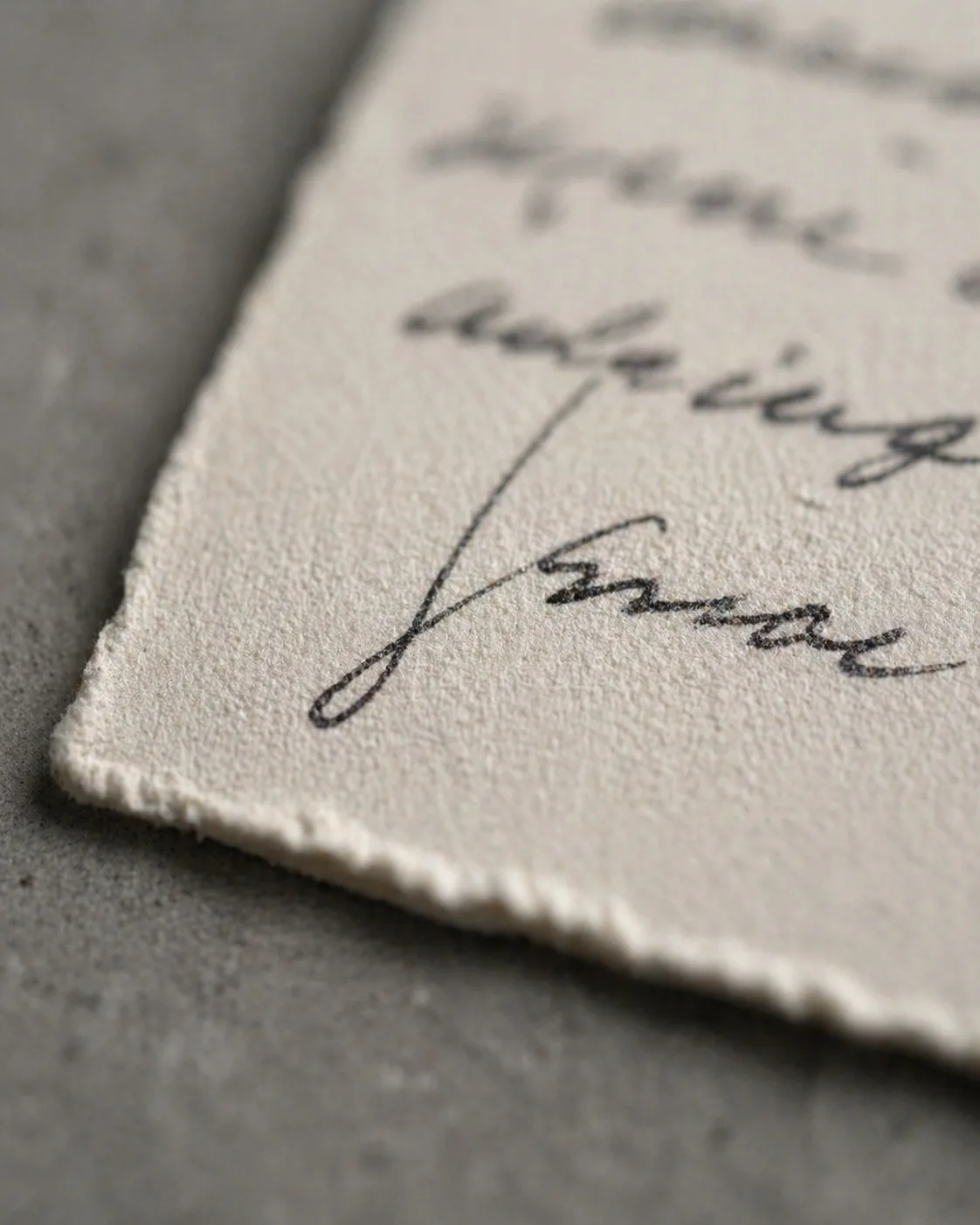
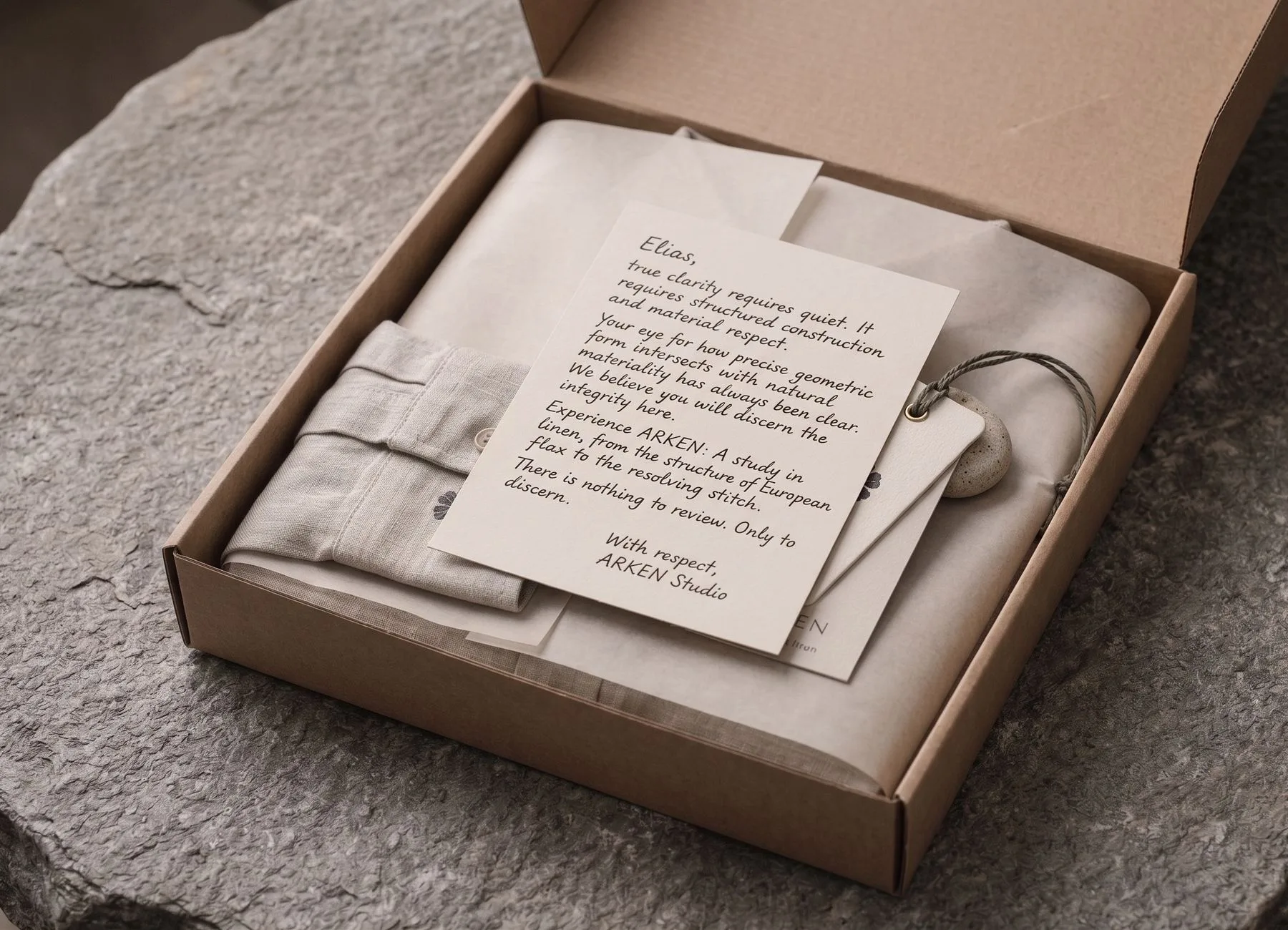
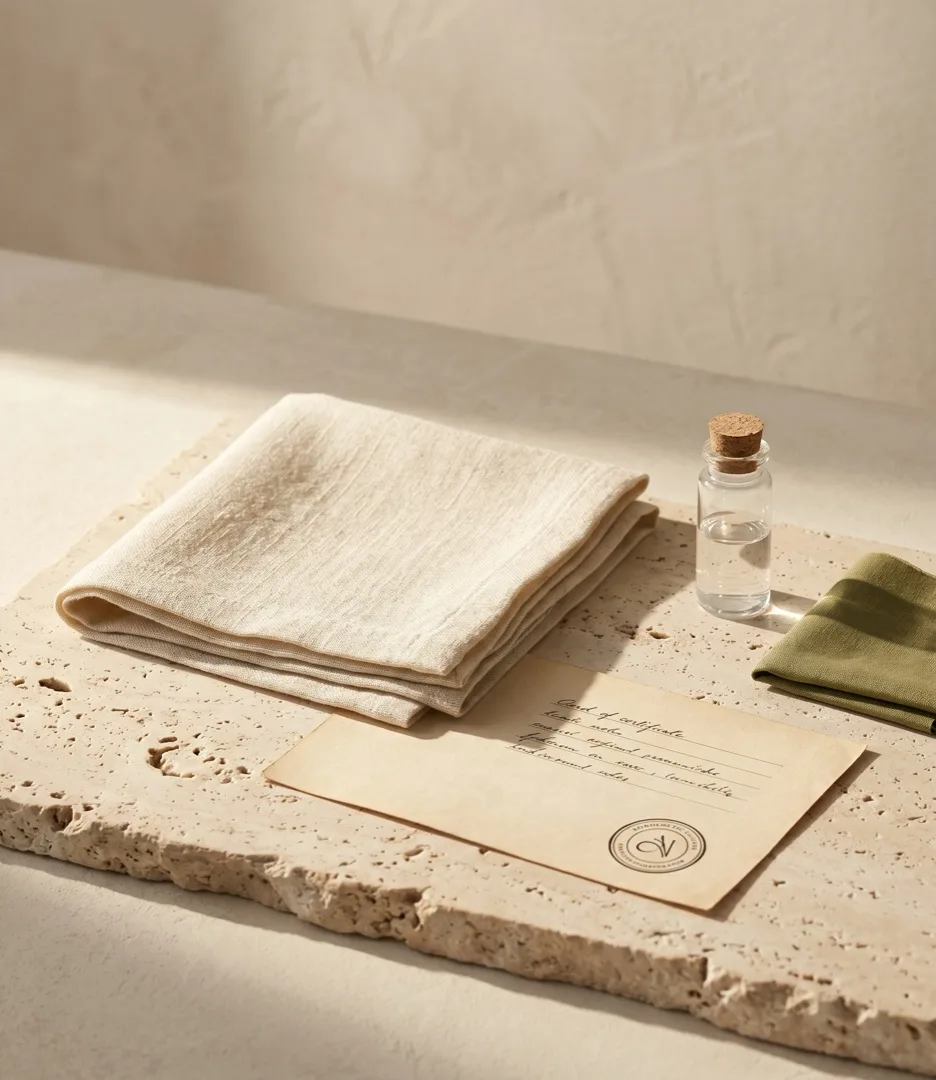
Tucked beneath the wrap is a single printed card, on warm cream paper, slightly heavier than business-card stock. The front carries a short paragraph about the cloth — its mill, its weight, its first-wash behaviour. The back carries the name of the person at the studio who packed the order. On first orders, the back also carries a handwritten note. There is no QR code. There is no review request.
Beside it lies a second card, smaller, cream paper, pressed-foil edge. The front reads, simply: The ARKEN Linen Standard. The back: Your garment passes all five tests. Below, a short list — European flax, garment-washed, declared GSM, natural wrinkle character, designed to soften with time. We include this card because we believe customers deserve to know the difference between real linen and a substitute, and because we think the difference is worth marking on the day the garment arrives.
A footnote at the bottom: For deeper verification, even a single loose thread reveals the truth. The five tests are described on the website. The garment in your hand is the easier place to begin.
The piece itself, when it arrives at the bottom of the box, has been pressed and folded along the original creases. It does not need to be hung immediately. It does not need to be aired out. It has been finished, washed, and folded so that it can be worn, if you wish, that same evening.
Clients who buy from us repeatedly describe the unwrapping in unusually consistent terms — considered, slightly ceremonial, deliberate. We have chosen to do this not as a marketing gesture, but because we think it is the right way to deliver an object that we hope will be worn for ten years.
The package is part of the garment.
It is the first thing the garment teaches you.
The packaging arrives the same way for every client, regardless of the order's size or the client's history. We have considered making it more elaborate for larger orders. We have decided not to.
Most buyers cannot tell real linen from a blended substitute on sight. Most brands rely on this. We have written the simple tests we use ourselves — five everyday tests anyone can run in sixty seconds — so that when you buy linen from us, or from anyone, you know exactly what you have.
The linen sold most widely in India is woven below 130 grams per square metre, blended with polyester or cotton at ratios the label rarely declares, and finished without the enzyme-washing step that makes good linen drape correctly. The garment sold to you as linen is, often, three things working together to look like linen and behave like something cheaper.
This is not a complaint about other brands. It is a description of the category. The buyer who has only ever worn this kind of linen reasonably concludes that linen is scratchy, see-through, short-lived, and the wrong fabric for daily wear. The conclusion is correct about what they have worn. It is wrong about linen.
The five tests below take less than a minute each. They are how the studio evaluates fabric before it accepts a roll, and they are how a buyer can evaluate a garment after it arrives. We believe customers deserve to know the difference.
Each test takes less than a minute. The fabric tells you the answer if you know what to look for. None of them require equipment.
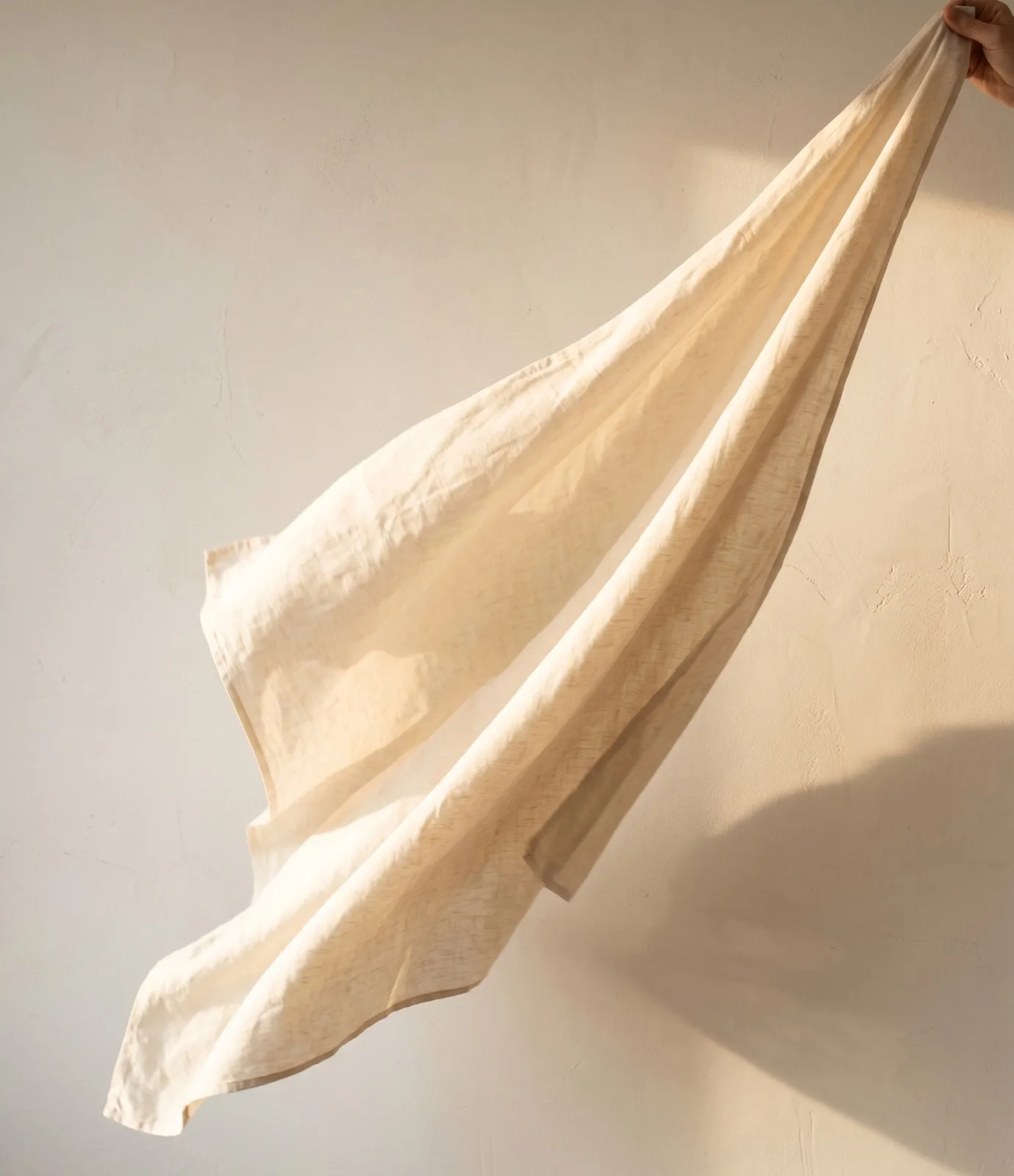
Wrinkles immediately. The creases hold their shape and stay visible.
Bounces back too quickly. Looks suspiciously smooth a moment later.
Feels distinctly cool and dry. The hollow flax fibre actively pulls heat away from the skin.
Feels warmer, slightly slippery, or unnaturally silky. Synthetic fibres trap heat instead of moving it.
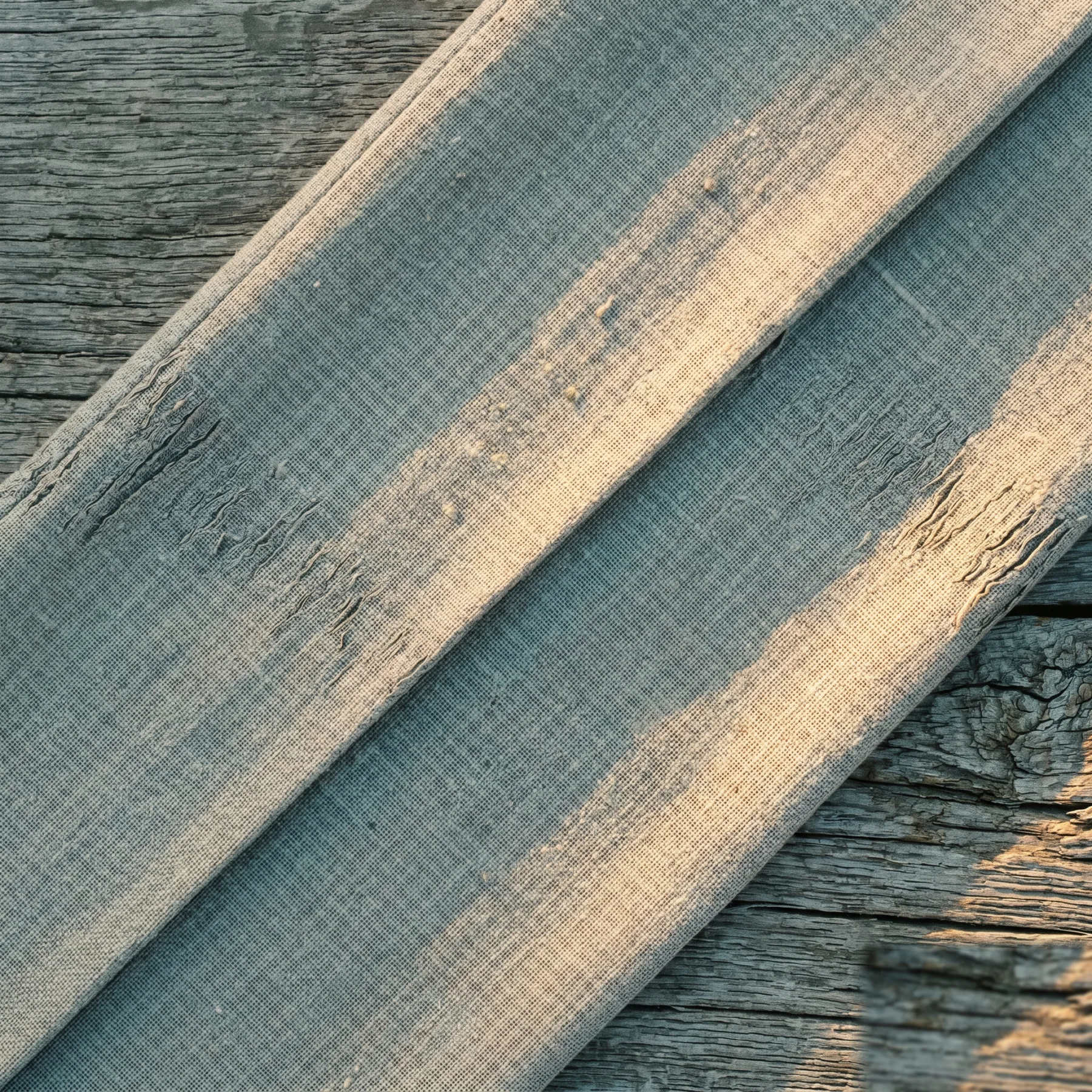
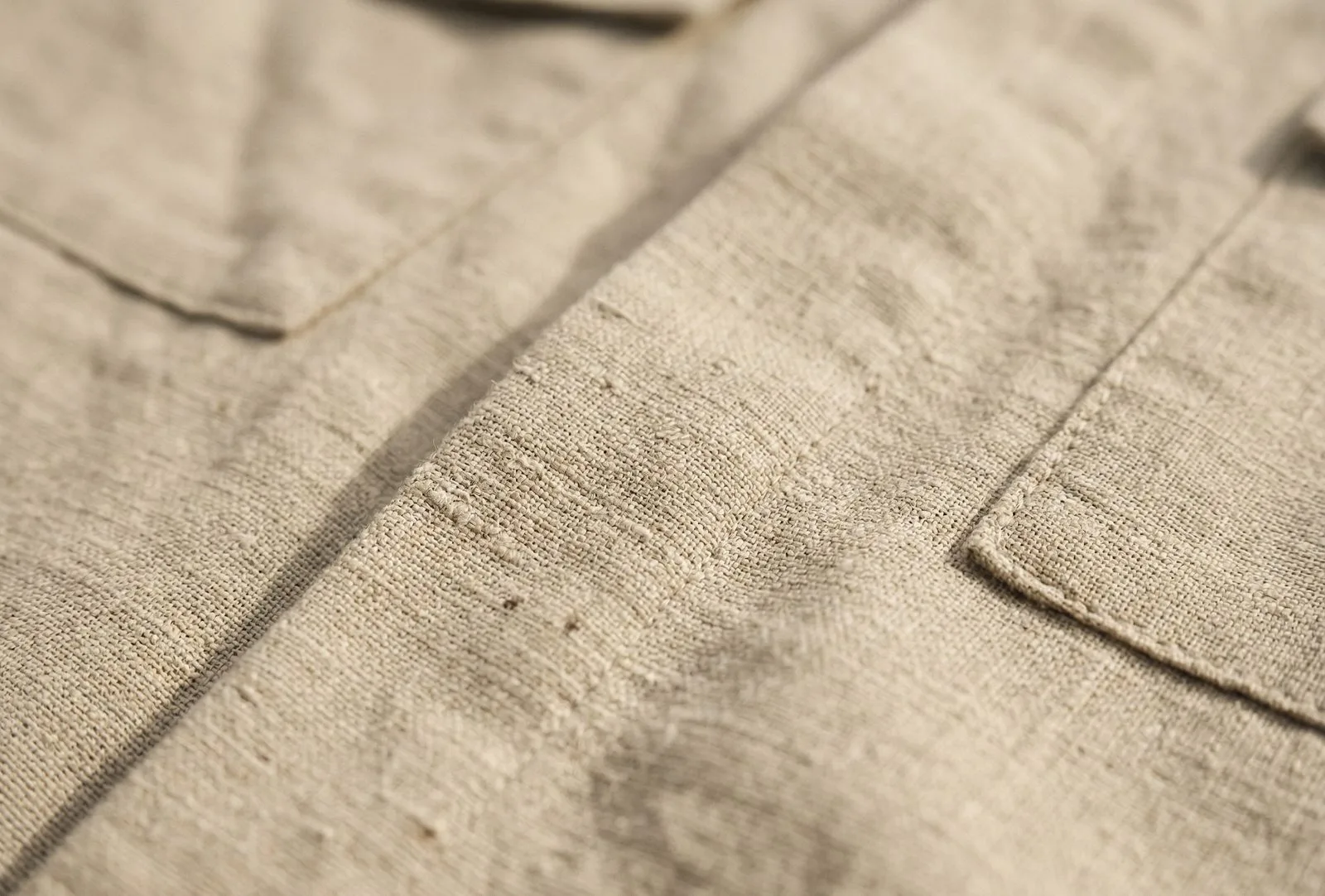
Slightly irregular surface. Visible slubs — small natural thickenings in the thread. Not perfectly uniform.
Too regular. Too smooth. The weave looks machine-perfect, with no character in the surface.
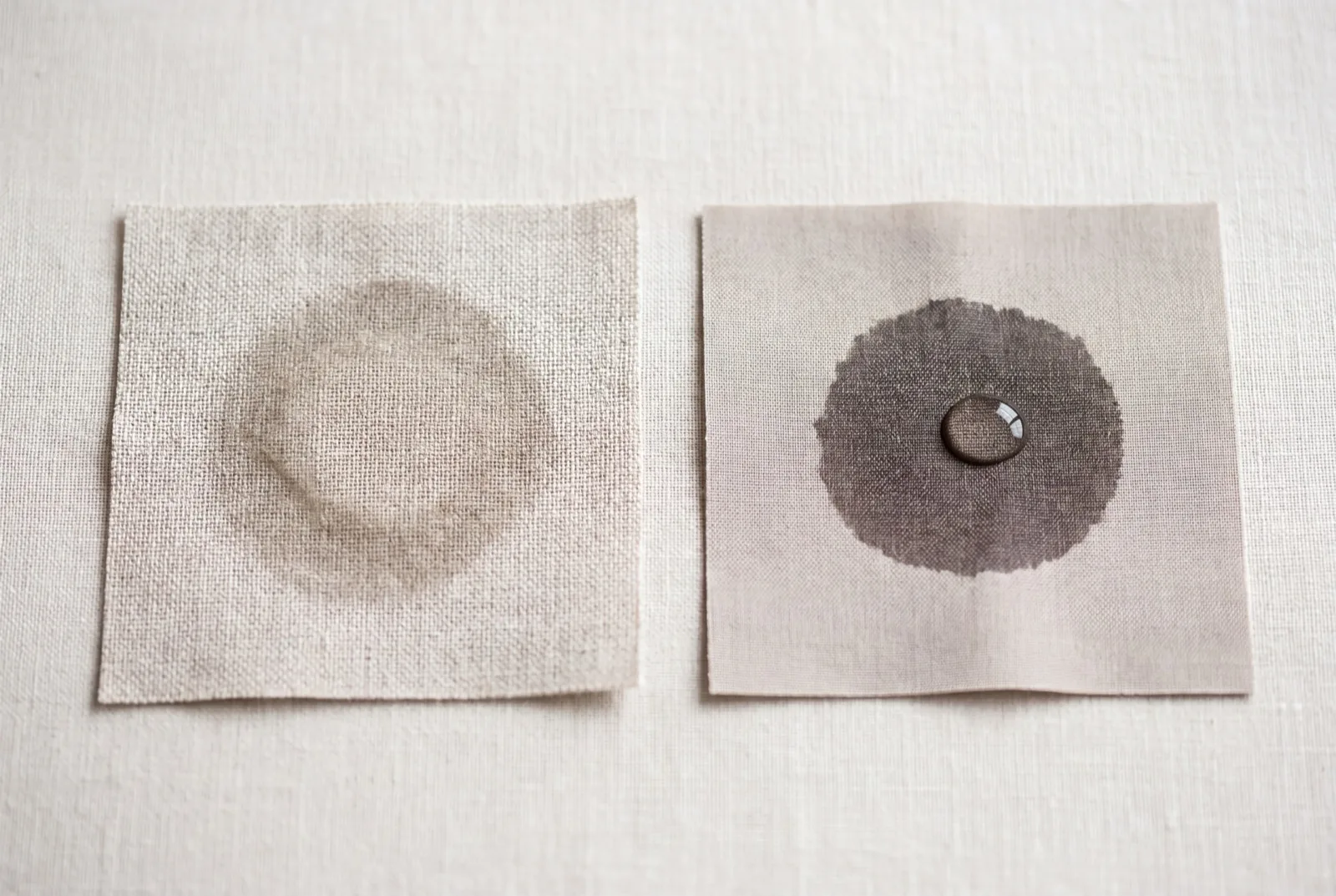
Absorbs almost immediately. The fabric darkens in the wet patch and the surface goes flat.
The water sits on the surface in a bead, or absorbs slowly. Synthetic fibres resist water.
Softens with each wash. The drape becomes more fluid. The colour deepens by a quarter shade. Year three is the best version of the garment.
Loses structure. Looks tired by the third month. The fabric pills, thins, or fades into a flat tone.
For complete certainty, textile laboratories use a controlled burn test on a single isolated fibre. Real linen, being a natural plant fibre, burns quickly and cleanly: a paper-like flame, a smell of burning leaves, soft grey ash that crushes between two fingers. Synthetic fibres do not burn — they melt. They produce a chemical odour, curl rather than ignite, and leave behind a hard plastic bead.
This is included for completeness, not as a recommendation. A buyer evaluating a finished garment is far better served by the five tests above; the burn method is for quality-control labs working with raw fibre under controlled conditions.
Real linen burns like nature. Fake linen melts like plastic. A useful sentence to remember; a less useful test to perform at home.
Good linen is rarely defined by how it looks on day one.
It is defined by how it wears, how it breathes, and how it becomes yours over time.
We use European flax because it produces stronger, longer fibres with better structure and longevity.
We garment-wash every piece because linen should arrive with softness and character — not stiffness that asks to be broken in.
We weave at 150 GSM and above because weight gives linen body, drape, and presence — something lighter constructions often imitate, but rarely deliver.
And we publish the GSM openly on every product page because fabric should be understood, not marketed.
None of this is added for appearance. It is built for wear. For warmer days. For longer years. For garments that improve with time instead of fading with trend.
The difference is not in how loudly it announces itself. It is in how naturally it stays with you.
That is the standard we build for.